Metal Plaster Mesh With Paper Back: What Builders Are Actually Using in 2025
I’ve walked more scaffold decks than I can remember, and one small detail keeps showing up on the jobs that run on time: proper lath. If you’re sizing up
metal plastering mesh, here’s the real-world rundown—what’s trending, what spec matters, and who’s supplying consistently.
Industry trend check
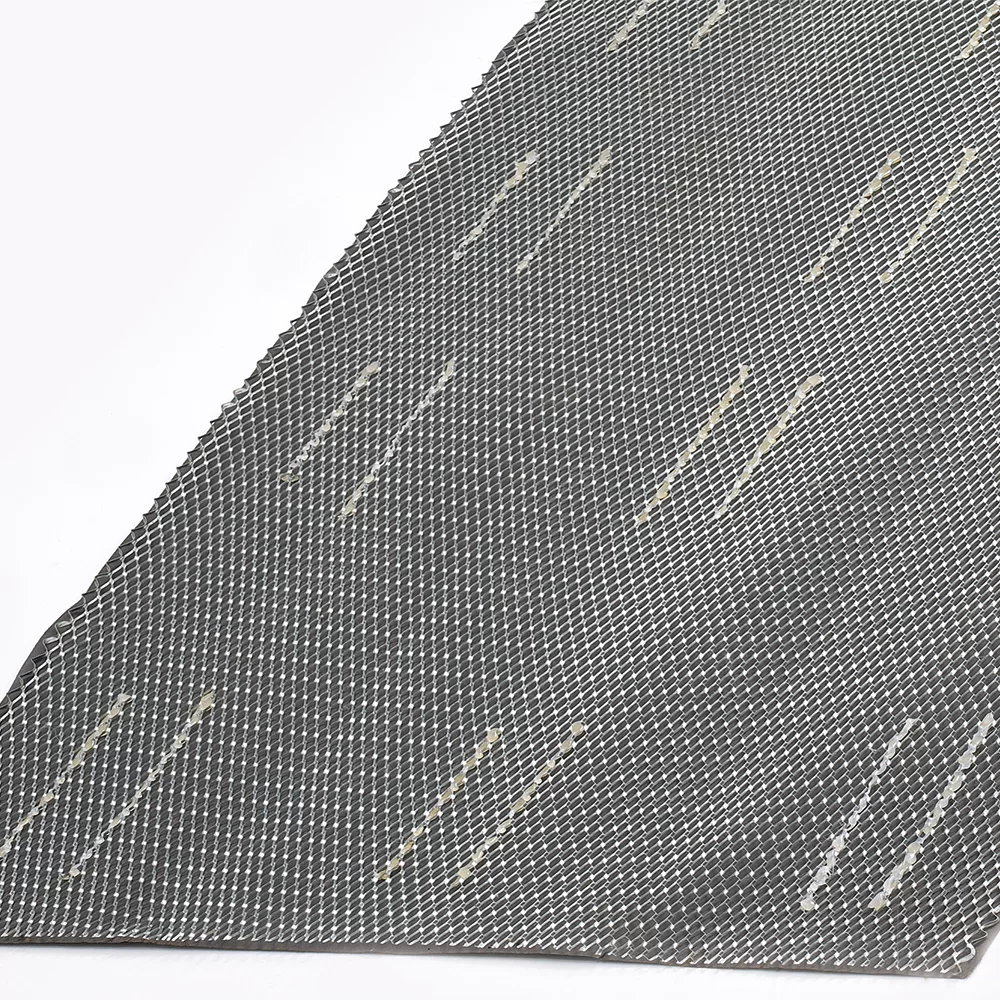
Demand for metal plastering mesh with paper back has quietly climbed, especially on high-rise cores and civic facades. Why? Cleaner backsides (less bleed-through), faster scratch/brown cycles, and tighter crack control. To be honest, paper-backed lath went from “nice to have” to baseline spec on several Tier-1 GCs I’ve spoken with.
What it is—and why paper back matters
The mesh itself is expanded galvanized steel that keys the plaster. The kraft paper layer stabilizes mortar during application, improves adhesion consistency, and reduces cleanup. Many customers say it’s also kinder to the crew—less rebound mess.
Typical specification (paper-backed)
| Parameter |
Typical value |
Notes |
| Base metal |
Galv. steel (ASTM A653, Z180–Z275) |
Coastal jobs often choose Z275 or SS304 |
| Mesh thickness |
≈0.35–0.5 mm |
Real-world use may vary by load/span |
| Opening (diamond) |
≈10×20 mm |
Supports good plaster keying |
| Roll size |
1.0 m × 20–50 m |
Custom widths upon request |
| Paper back |
Kraft 30–60 gsm |
Adhesive lamination, low VOC |
| Service life |
≈25–40 yrs (non-coastal) |
Detailing/drainage drives outcome |
Process, testing, and standards
Materials: galvanized coil is expanded, flattened, then paper-laminated. Methods: slit/expand, oven cure, roll-to-roll QC. Testing: coating mass per ASTM A653, salt spray (ASTM B117/ISO 9227), tensile pull, and lath conformance to ASTM C847; installation audited to ASTM C1063 and EN 13658-1. On a recent lot, a Z275 batch passed 240-hour salt spray with no red rust; bond shear on site mock-ups hit 0.22–0.28 MPa—comfortably above project minimums (your spec may differ).
Where it shines
- High-rise cores and shear walls needing crack mitigation
- Civic buildings and schools (cleaner application, fewer callbacks)
- Workshops/retrofits over mixed substrates; seismic/“shakeproof” detailing
- Stucco base over WRB; interior plaster leveling on uneven masonry
Advantages I’ve seen on site
Strong adhesive key, reduced creep cracking, and quicker scratch/brown progress. One foreman told me, “Paper-backed metal plastering mesh cut our cleanup by half.” Not scientific—but echoed by three other crews.
Vendor snapshot and how to choose
The product featured here ships from No. 11, Zongqi Road, Raoyang County Economic Development Zone, Hengshui, Hebei—an area that’s, frankly, become a hub for lath and beads.
| Vendor |
Certs |
Lead time |
MOQ |
Coating class |
Notes |
| Hebei factory (paper-backed) |
ISO 9001; CE (decl.) |
2–4 wks |
≈5,000 m² |
Z180–Z275 |
Consistent lamination quality |
| Local reseller |
Varies |
Immediate |
By roll |
Z140–Z180 |
Great for small top-ups |
| Offshore OEM |
ISO 9001 |
4–8 wks |
≥10,000 m² |
Z275+ |
Best landed cost at volume |
Customization pointers
You can tweak roll width/length, opening geometry, coating mass (Z180→Z275), and paper grade. Coastal or pool environments? Ask for stainless or heavy zinc and document per ASTM C1063 exposure categories.
Quick case notes
- Guangzhou mixed-use tower: paper-backed metal plastering mesh cut visible bleed by ≈60%, with a 15% faster scratch coat cycle (GC logs).
- Middle East school block: Z275 option + drainable WRB; zero corrosion findings at 18-month walk-through, minor hairline cracking only at control joints.
Small note: performance is as much about install as product—fastener spacing, lap, and accessories (corner beads, control joints) per spec are non-negotiable.
Authoritative standards and references
- ASTM C847 – Standard Specification for Metal Lath.
- ASTM C1063 – Installation of Lathing and Furring for Portland Cement-Based Plaster.
- EN 13658-1 – Metal lath and beads for internal plastering.
- ASTM A653/A653M – Steel Sheet, Zinc-Coated (Galvanized) by Hot-Dip Process.
- ISO 9227 / ASTM B117 – Neutral Salt Spray Testing for Corrosion Resistance.
- ICC-ES AC191 – Acceptance Criteria for Metal Plaster Bases (Lath).