Understanding Perforated Aluminum Mesh: Why It Matters in Today’s World
If you’ve ever paused to wonder how architectural façades manage to combine aesthetics with functionality, or how complex filtration systems keep our environment clean, you’ve probably glimpsed the magic of perforated aluminum mesh. But beyond the polished surfaces and sleek designs lies a material with global importance—transforming industries, infrastructure, and even disaster relief. It’s a simple concept, really, but its impact is monumental, underpinning innovations across sectors and geographies.
In a world where sustainability, durability, and efficiency are non-negotiable, knowing why perforated aluminum mesh holds such sway could change how businesses and governments approach construction, safety, and resource management. Today, we’ll take a casual yet informative stroll through its significance — why it’s essential, where it shines, and what future trends might bring.
Mini takeaway: Perforated aluminum mesh is more than decorative; it solves real-world challenges, from structural support to environmental control.
The Global Relevance of Perforated Aluminum Mesh
Let’s set the stage globally. The world is urbanizing at an unprecedented rate. By 2050, the United Nations projects that nearly 70% of the population will live in urban areas (1). This growth presents a challenge: materials must be lightweight, durable, and adaptable. Enter perforated aluminum mesh.
Used extensively in construction, ventilation, agriculture, and even humanitarian aid, this material offers efficient airflow, natural lighting, and security—all while minimizing weight and cost. According to the ISO standards on building materials and sustainability (2), materials that reduce carbon footprints and optimize resource use are crucial—the niche perforated aluminum fits perfectly.
However, many industries struggle with balancing cost and performance amid tight environmental regulations. Perforated aluminum mesh stands out as an answer, providing a medium that enhances energy efficiency and reduces waste.
Mini takeaway: In an urbanizing, eco-conscious world, perforated aluminum mesh tackles major challenges, meeting global demands for smarter materials.
So, What Exactly Is Perforated Aluminum Mesh?
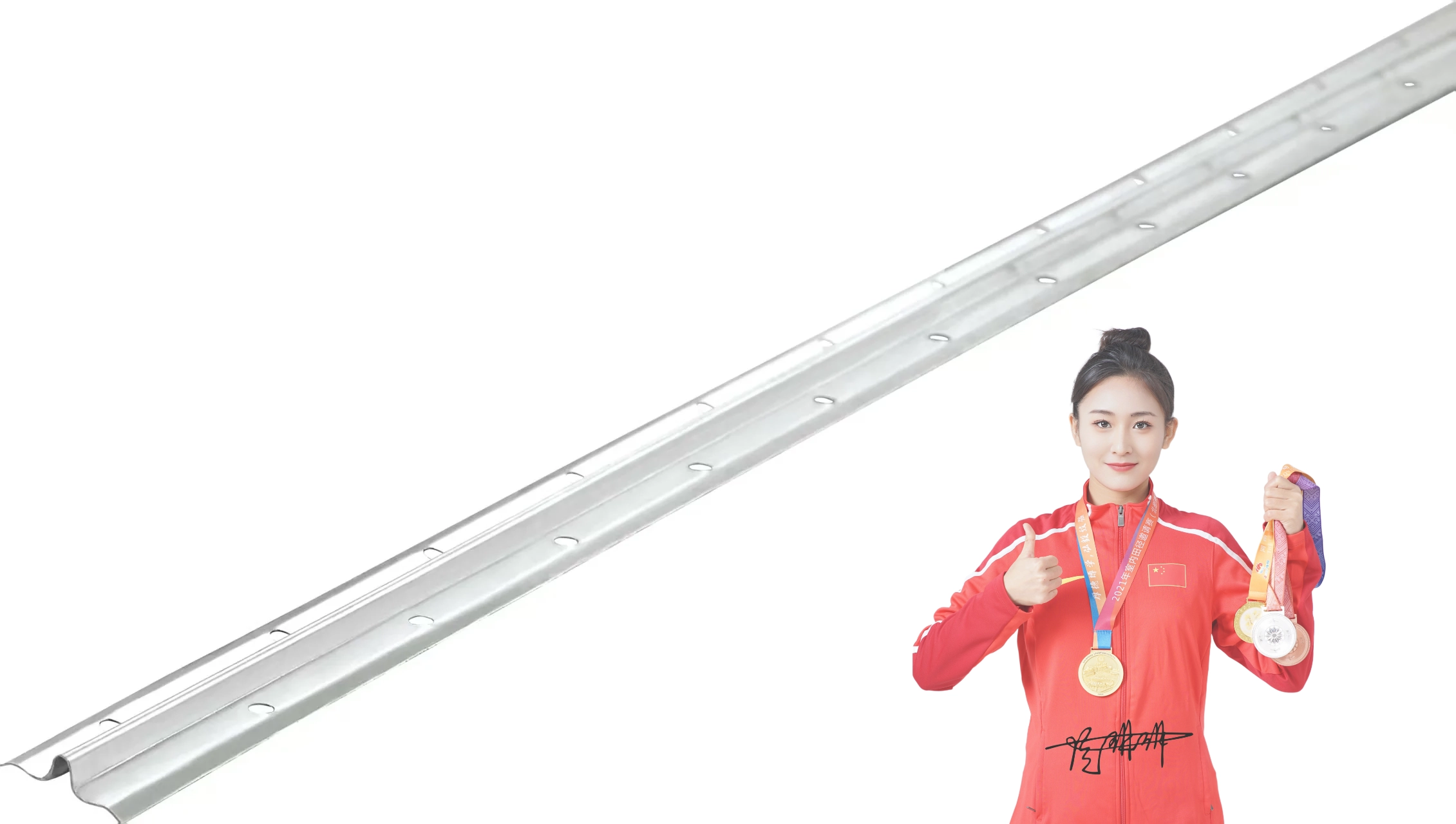
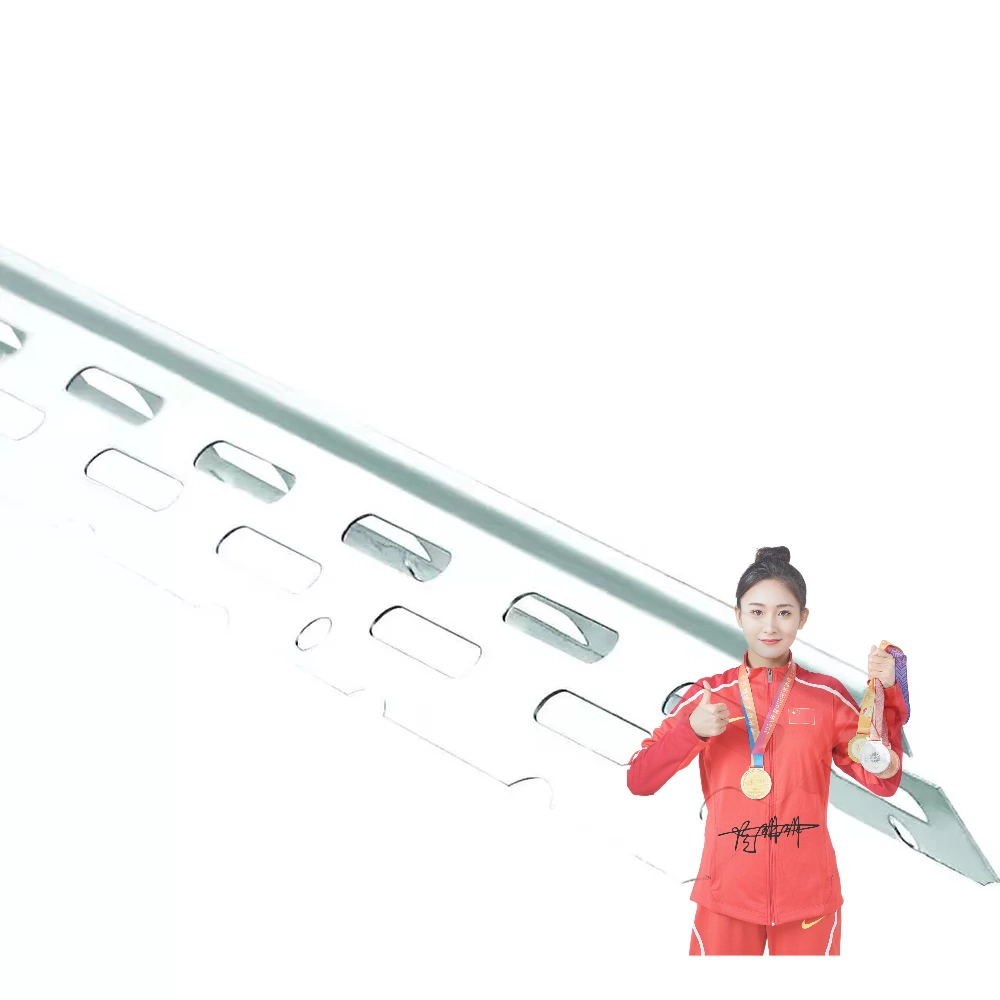
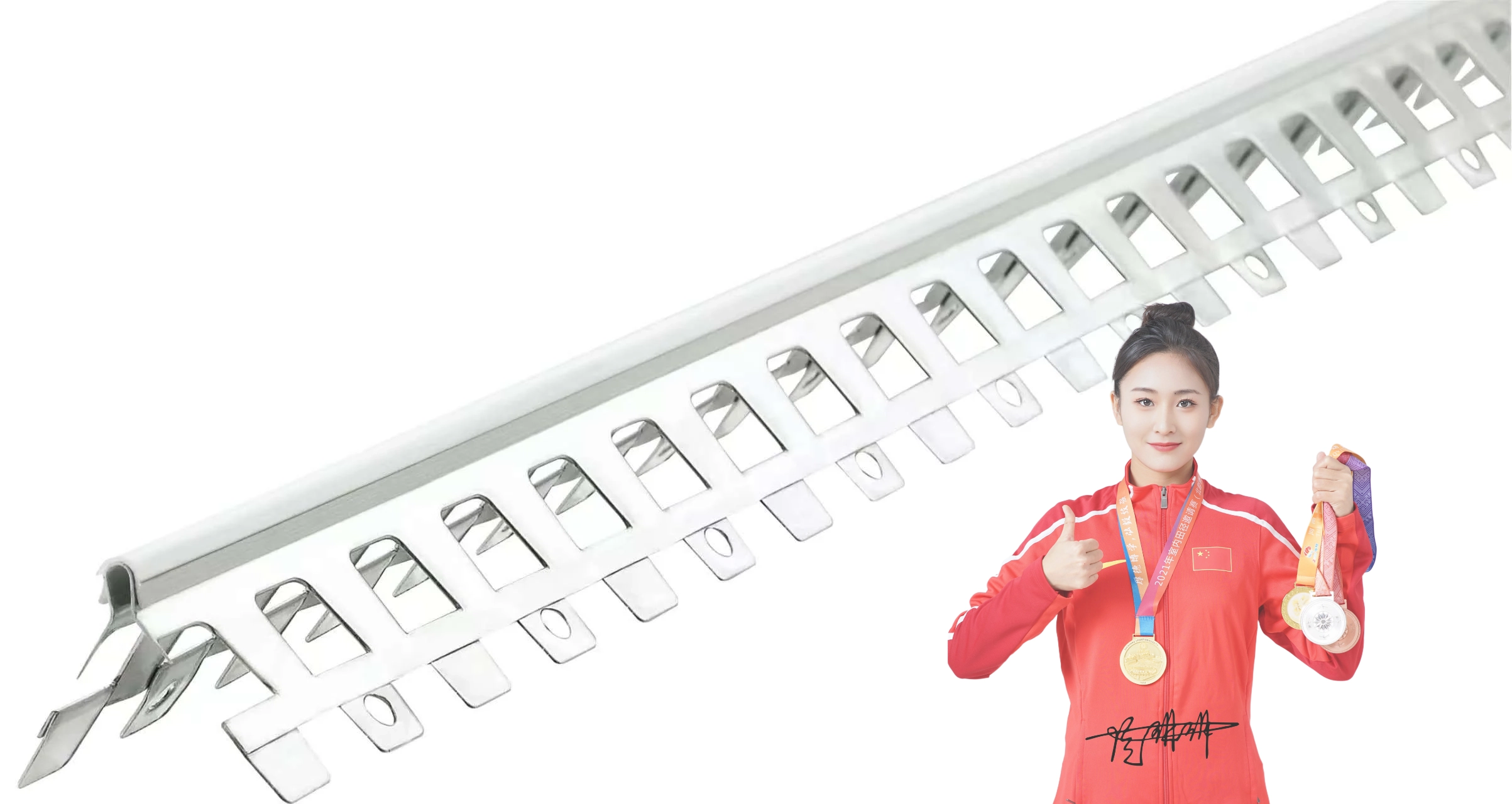
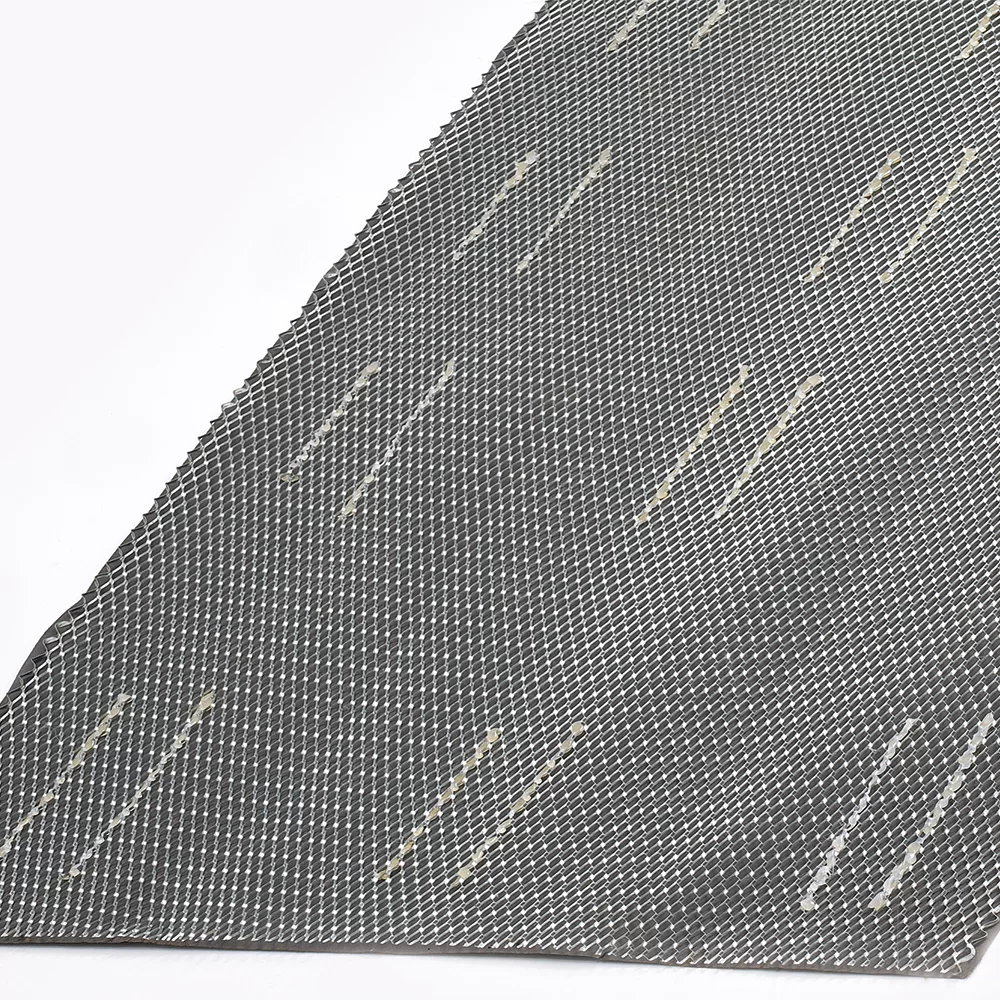
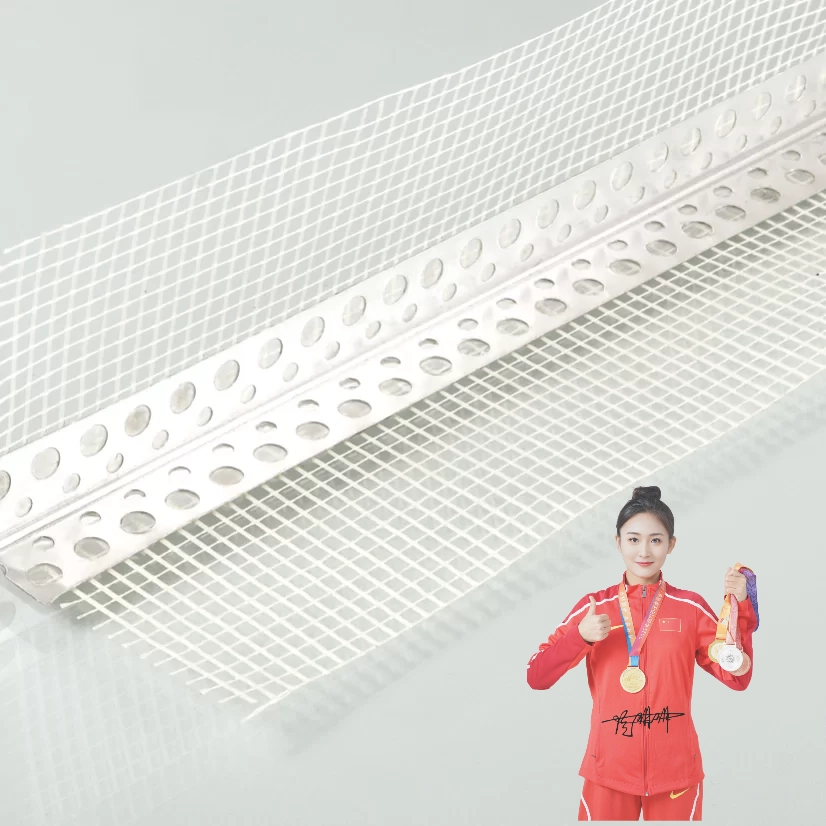
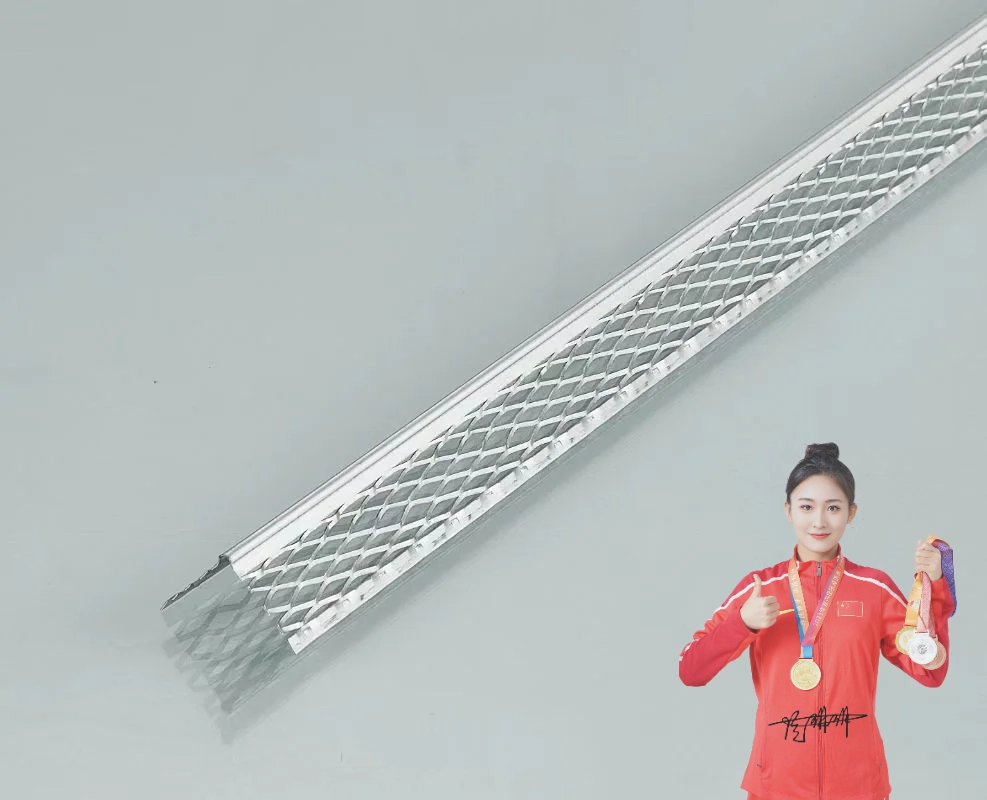
At its core, perforated aluminum mesh is a sheet of aluminum that’s been punched or laser-cut with a pattern of holes—controlled and precise. Think of it as a metal screen allowing air, light, or fluids through, while keeping larger particles or objects out. It’s lightweight yet remarkably strong, corrosion-resistant, and versatile.
Where it gets interesting is its intersection with modern industry and even humanitarian needs. For instance, in flood-prone regions, screens made from this mesh allow water to pass but block debris, protecting drainage systems. In industrial zones, it protects machinery while enabling airflow, reducing overheating. Plus, since aluminum is recyclable, its use supports sustainable building practices.
Mini takeaway: Perforated aluminum mesh is a seemingly simple product with a smart mix of strength, lightness, and sustainability.
Core Components & Key Factors Driving Its Use
1. Durability
Aluminum, especially when alloyed and anodized, resists corrosion and weathering. For outdoor installations—whether on building exteriors or fencing—this durability means long life with minimal maintenance. Engineers often highlight this as a major cost-saving factor over time.
2. Scalability & Customization
Whether you need small sheets for HVAC filters or giant panels for stadium facades, perforated aluminum mesh scales efficiently. Patterns (the size and shape of holes), thickness, and finish can be tailored, making it suitable for glass curtain walls, sunshades, or acoustic panels.
3. Cost Efficiency
Compared to heavier metals or composites, aluminum’s relatively low cost combined with ease of fabrication—including CNC perforation and bending—makes it a favorite among manufacturers. Plus, its lightweight nature lowers shipping and installation expenses.
4. Environmental Efficiency
The open area in the mesh allows natural ventilation and lighting, lowering reliance on electrical systems. This ties into LEED certification goals and overall reduced carbon footprints.
5. Aesthetic Flexibility
Architects adore its modern, clean look—and perforation patterns can be designed artistically. This melding of function and style gives designers a powerful palette.
| Specification |
Detail |
| Material |
Aluminum alloy 3003 or 5052 |
| Thickness |
0.5 mm - 3 mm |
| Perforation Pattern |
Round, square, slotted, custom |
| Open Area Ratio |
20% - 70% |
| Finish |
Anodized, powder-coated, mill finish |
| Dimensions |
Up to 1500 mm x 3000 mm classic sheets; custom sizes available |
Where Around the World Is This Mesh Making a Difference?
Perforated aluminum mesh finds home in industries and geographies you might not guess.
- Southeast Asia: Here, rapid urbanization means high-rise buildings use it in façades for solar shading and natural ventilation, reducing energy consumption.
- Europe: The emphasis on green buildings has pushed this mesh into noise barriers along highways, where it provides both sound absorption and aesthetic appeal.
- United States: Heavy industry and mining sectors use it for filtration and safety guards, crucial where dust and debris pose hazards.
- Disaster zones globally: NGOs leverage it in modular shelters where airflow and screening are essential—to prevent pests and enhance comfort (example: hurricane relief in the Caribbean).
One engineer I spoke with who helped rebuild a community center after an earthquake in Chile swore by its modularity and durability under extreme weather.
Mini takeaway: From urban skyscrapers to rural shelters, perforated aluminum mesh adapts to diverse needs worldwide.
Advantages & Long-Term Value of Perforated Aluminum Mesh
Tangible benefits are a big part of why this material continues thriving:
- Cost savings: Lower maintenance and energy expenses compound into serious long-term savings.
- Sustainability: Being recyclable and reducing need for HVAC boosts eco-credentials.
- Safety & comfort: Airflow balance reduces heat and toxins indoors.
- Design innovation: Allows creative freedom for architects to balance light and privacy.
- Trust in reliability: Proven material that architects and builders recommend over risky new alternatives.
There’s also an emotional side—a sense of dignity when people live or work in spaces that feel breathable and secure rather than claustrophobic.
What’s Next? Future Trends in Perforated Aluminum Mesh
The industry is moving fast, and with the green revolution, perforated aluminum mesh is integrating more smart tech:
- Photo-voltaic integration: Mesh panels doubling as solar collectors, powering LED façades.
- Automation in perforation: Faster CNC machines enabling micro-patterns with unprecedented precision.
- Hybrid materials: Aluminum combined with composites or smart coatings for self-cleaning or anti-bacterial properties.
- Regulation-driven innovations: Higher standards (ISO 14000 series) pushing manufacturers toward greener fabrication.
It feels like a playground for engineers, where aesthetics meet sustainability in next-gen buildings or industrial applications.
Challenges & How Experts Are Tackling Them
Nothing’s perfect. Some hurdles include:
- Mechanical strength limits: Very thin sheets risk deformation under high stress.
- Production lead times: Custom patterns need precise tooling which delays turnaround.
- Price volatility: Aluminum prices fluctuate with global metal markets, impacting cost predictability.
Solutions? Engineers recommend thicker alloys or laminating meshes with backing materials where strength is critical. Advanced laser cutting tech is also shortening lead times, while global sourcing strategies ease price shocks.
Frequently Asked Questions About Perforated Aluminum Mesh
Q1: How is perforated aluminum mesh different from regular metal mesh?
A: Unlike woven metal mesh, perforated aluminum is a solid sheet punched with patterns. This provides stronger support and precise hole sizes, ideal for architectural and filtration uses.
Q2: Can perforated aluminum mesh withstand harsh outdoor conditions?
A: Yes, especially when anodized or powder-coated, aluminum resists corrosion and UV damage, making it very durable in outdoor environments.
Q3: Is this mesh recyclable and eco-friendly?
A: Absolutely. Aluminum is 100% recyclable without loss of quality, and its use often reduces energy consumption in buildings.
Q4: How custom can perforation patterns get?
A: Very custom! Manufacturers can create round, square, slotted, or even artistic patterns tailored to specific airflow or visual design requirements.
Q5: How quickly can I source perforated aluminum mesh for large projects?
A: Lead times vary but recent improvements in automated CNC punching allow deliveries within 2-4 weeks for many standard sizes and patterns.
Comparing Leading Perforated Aluminum Mesh Suppliers
| Supplier |
Customization |
Lead Time |
Eco Certification |
Geographic Availability |
| Corner Bead Mfr |
High; custom patterns & sizes |
2-3 weeks standard |
ISO 14001 |
Global |
| Global Mesh Co. |
Medium; mainly standard patterns |
4-6 weeks |
None specified |
North America, EU |
| EcoMesh Solutions |
High; focuses on green coatings |
3-5 weeks |
Cradle to Cradle Certified |
Europe, Asia |
Wrapping Up: Why Perforated Aluminum Mesh Is Here to Stay
If you’ve gotten this far, you know perforated aluminum mesh isn’t just a metal “screen” or shield but a flexible, eco-conscious, and cost-effective solution woven deep into the fabric of modern urban and industrial life. Its durability, adaptability, and sustainability answer many of today’s toughest questions about materials and their roles in future-ready infrastructure.
Curious to explore options for your next project? Discover how reliable and customizable perforated aluminum mesh can be by visiting our website. It’s never been easier to balance innovation, performance, and responsibility in your designs.
References
- UN Department of Economic and Social Affairs, World Urbanization Prospects (https://population.un.org/wup/)
- ISO 14000 Environmental Management Standards (https://www.iso.org/iso-14001-environmental-management.html)
- Aluminum Association, Recycling Facts (https://www.aluminum.org/industries/production/recycling)