Understanding Steel Mesh Sheets Prices: Why They Matter in Today’s Global Industry
If you’ve ever peered into a construction site or industrial warehouse, there’s a high chance you’ve seen steel mesh sheets at play. But beyond the obvious, the topic of steel mesh sheets prices holds a bigger role in global commerce, infrastructure, and even humanitarian relief. Prices influence everything from cost-effective building projects in developing countries to the durability of high-stakes industrial applications. Grasping what drives these prices—and how they fluctuate—can translate into smarter purchasing decisions and a keener appreciation of the supply chain dynamics at play.
The Global Context: Why Focus on Steel Mesh Sheets Prices?
Steel mesh sheets are a backbone component for reinforcing concrete, fencing, and filtration, used widely in places as varied as sprawling cities and remote mining operations. According to reports by the World Steel Association, global steel production hit 1.95 billion metric tons in 2023, a staggering figure indicating that steel — and by extension, steel mesh — keeps the wheels of modern industry turning. Yet price volatility remains a big challenge. It’s no surprise: materials costs are influenced by everything from raw ore availability to geopolitical tensions. Fluctuating steel mesh sheets prices can stall projects or increase budgets unexpectedly, especially developing economies where infrastructure growth is fastest.
Then there’s the sustainability aspect: low-cost but poorly sourced steel can undercut environmental goals by propelling waste. So understanding these prices helps balance economic and ecological outcomes.
Mini takeaway: Steel mesh sheets prices don’t just affect budgets; they shape global infrastructure development and sustainable resource management.
What Exactly Are Steel Mesh Sheets Prices?
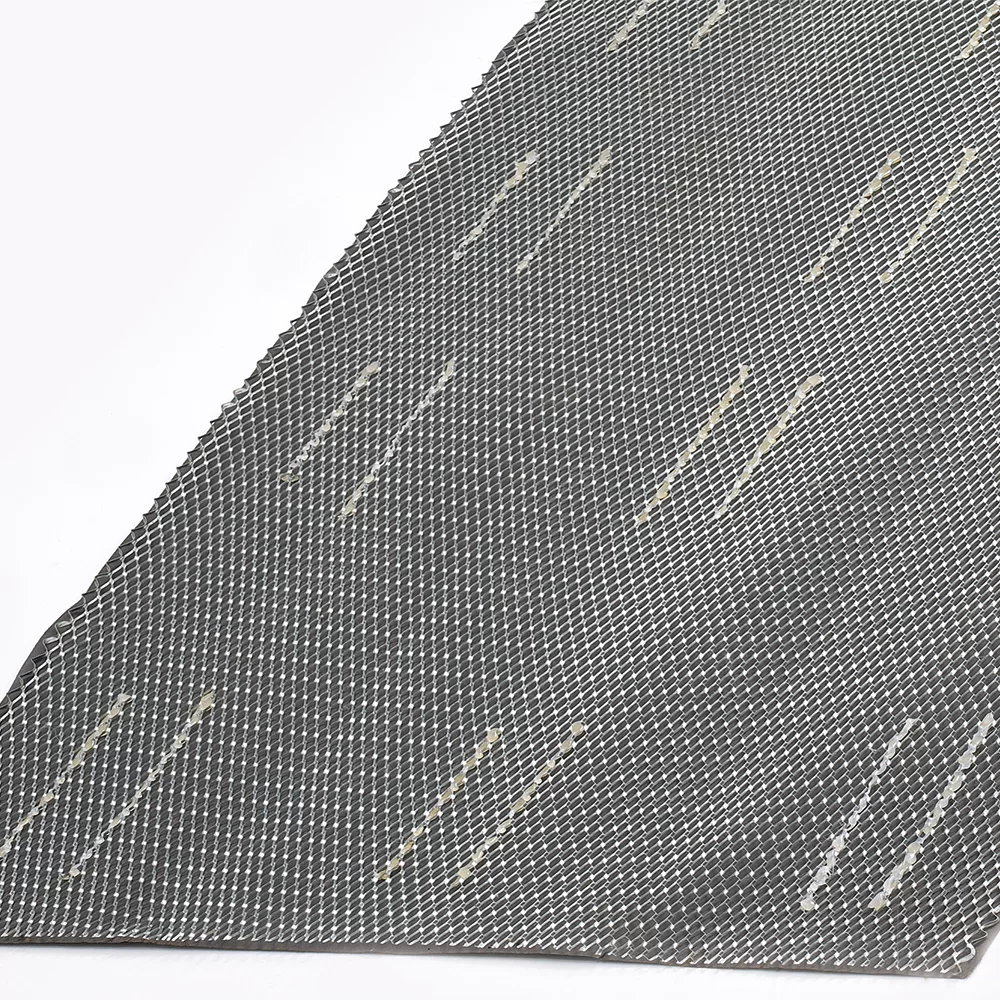
Put simply, steel mesh sheets prices refer to the cost per unit (usually per square meter or sheet) for purchasing steel mesh products. These sheets consist of interconnected steel wires forming a rigid grid, used to provide tensile strength and structure in projects like concrete reinforcement or safety fencing. The price you see reflects multiple factors—material grade, wire thickness, mesh aperture size, surface treatment, and even geographic shipping logistics.
In humanitarian contexts, like post-natural disaster rebuilding efforts, affordable and quickly deployable steel mesh solutions can mean the difference between temporary shelters or long-lasting, safe homes. So the prices have a direct human impact beyond industry jargon.
Key Factors Affecting Steel Mesh Sheets Prices
1. Material Grade & Quality
The type of steel—carbon content, tensile strength, and whether it’s galvanized or stainless steel—has a direct effect on cost. Higher-grade materials resist corrosion and last longer, but naturally command higher prices.
2. Mesh Size & Wire Diameter
The size of the openings in the mesh and thickness of steel influence weight and durability. Smaller openings and thicker wires mean more steel per sheet and thus higher prices.
3. Manufacturing Process & Treatment
More advanced techniques, such as electro-galvanization or powder coating, drive up costs but extend service life, particularly in harsh environments.
4. Supply Chain & Raw Material Costs
The global price of iron ore and energy costs for steel production are major drivers. Political tensions and trade tariffs add unpredictability, sometimes causing sharp price swings.
5. Order Volume & Customization
Buying in bulk generally reduces unit prices, while custom sizes or special finishes tend to increase costs.
6. Location & Shipping
Where you source your steel mesh sheets from matters—import duties, freight, and local demand all play their part.
Mini takeaway: The interplay of material quality, manufacturing, and market factors creates the complex pricing landscape for steel mesh sheets.
Typical Product Specifications
| Specification |
Description |
| Material Grade |
Carbon Steel / Stainless / Galvanized |
| Wire Diameter |
2mm to 10mm (common variants) |
| Mesh Aperture Size |
25mm x 25mm to 100mm x 100mm |
| Sheet Size |
Typically 2m x 4m or custom cuts |
| Surface Treatment |
Hot-dip galvanizing, Powder coating, Plain |
| Weight |
Up to 50kg per sheet depending on specs |
Comparing Leading Steel Mesh Sheet Vendors
| Vendor |
Price Range (USD/m²) |
Materials Offered |
Typical Delivery Time |
Customization Options |
| SteelPro Inc. |
$5.50 – $8.00 |
Carbon Steel, Galvanized |
2-3 weeks |
Standard sizes only |
| Global Mesh Solutions |
$6.00 – $9.50 |
Stainless Steel, Galvanized, Powder-coated |
3-5 weeks |
Full customization |
| EcoMesh Industries |
$5.00 – $7.25 |
Recycled Steel, Galvanized |
1-2 weeks |
Limited customization |
Global Applications and Real-World Use Cases for Steel Mesh Sheets
Steel mesh sheets crop up in places you might not initially guess:
- Urban construction: Reinforcing concrete in high-rise buildings across Asia and the Americas.
- Disaster relief: NGOs rely on affordable steel mesh for shelter frameworks after earthquakes or hurricanes.
- Industrial sectors: Mining and oil fields use mesh for safety barriers and filtration.
- Agricultural fencing: Farms in Africa and Australia employ durable steel mesh fencing to protect livestock.
In one notable case, an international aid organization swiftly rebuilt dozens of classrooms in a flood-affected region, largely thanks to low-cost steel mesh supplies with manageable steel mesh sheets prices. These sheets gave foundations critical durability without ballooning budgets.
Mini takeaway: From skyscrapers to disaster zones, the versatility of steel mesh sheets makes their pricing a key factor in successful project execution worldwide.
Advantages & Long-Term Value of Steel Mesh Sheets
When you think about it, steel mesh sheets offer more than just raw strength:
- Cost Efficiency: Their standardized sizes and durability reduce replacement and maintenance costs.
- Sustainability: Many vendors now offer recycled or eco-friendly options, aligning prices with green goals.
- Reliability: Consistent quality means safer buildings and structures, reassuring engineers and occupants alike.
- Safety & Social Impact: By improving structural integrity, steel mesh supports safer housing and work environments, which is especially crucial in developing or disaster-prone areas.
So while the initial prices might seem a pinch higher than cheaper alternatives, the long-term savings and benefits often outweigh the upfront cost.
Future Trends and Innovations Shaping Steel Mesh Sheets Prices
The steel industry isn’t standing still. Smart factories—with automation and digital monitoring—are optimizing production costs, potentially stabilizing prices over time. Meanwhile, innovations in alloys aim to increase strength while reducing weight—affecting pricing models.
Environmental regulations around carbon emissions are encouraging producers to adopt greener manufacturing processes. As a result, we’ll likely see a premium on “green” steel mesh sheets but growing demand too. Oddly enough, this might make prices more predictable because producers stick to certified sustainable inputs.
And don’t forget the rise of 3D printing for custom mesh components — a niche but expanding field that could shift how bespoke mesh is priced and sourced.
Common Challenges & How to Overcome Them
Pricing complexity is a real headache. Suppliers often struggle to balance fluctuating raw material costs with competitive pricing. On the buyer side, uncertainty can delay purchases or cause budget overruns.
One clever approach is adopting fixed-rate contracts with suppliers or hedging raw material costs. Additionally, using platforms that compare steel mesh sheets prices across vendors can empower more transparent, cost-effective buying.
Some companies embrace modular mesh sizes standardized across projects, easing inventory and reducing waste — a win-win for price predictability and sustainability.
FAQ: Your Steel Mesh Sheets Prices Questions Answered
Q1: What factors cause steel mesh sheets prices to fluctuate so often?
A1: Prices vary primarily due to changes in global raw material costs (iron ore, coal), energy prices, transportation fees, and trade policies like tariffs. Demand surges in construction or manufacturing also create short-term price spikes.
Q2: How can I ensure I’m getting fair pricing on steel mesh sheets?
A2: Compare multiple suppliers, check material certifications, and consider volume discounts. Steel mesh sheets prices differ by region and specs, so requesting detailed quotes with specifications helps.
Q3: Are recycled steel mesh sheets cheaper or better?
A3: Recycled steel often allows for lower costs and a smaller environmental footprint. However, quality depends on the vendor’s processing standards. Always verify that recycled mesh meets project requirements.
Q4: What’s the typical delivery time for customized steel mesh sheets?
A4: Depending on complexity, customized orders generally take between 2 to 5 weeks, factoring in manufacturing and shipping. Planning ahead helps avoid delays and unexpected cost increases.
Q5: Can steel mesh sheets from international vendors be reliably sourced?
A5: Yes, many large-scale projects import steel mesh globally. Import duties, shipping logistics, and compliance with local standards must be factored into total costs and timelines.
Wrapping It Up: Why Steel Mesh Sheets Prices Matter More Than You Think
Keeping an eye on steel mesh sheets prices isn’t just for budget managers — it’s essential for engineers, procurement officers, and even policy makers invested in sustainable infrastructure and humanitarian projects. Understanding the forces behind these prices equips buyers to make decisions that balance cost, quality, and social impact.
Next time you start a project requiring steel mesh, take a moment to explore market trends and vendor options. It’s not just about dollars per sheet; it’s about building stronger, safer, and smarter.
For comprehensive pricing comparison and trusted supplier options, feel free to check out our steel mesh sheets prices listings.
References
- World Steel Association - Steel Statistics 2023
- Wikipedia - Steel Mesh
- ISO Standards on Steel & Construction Materials