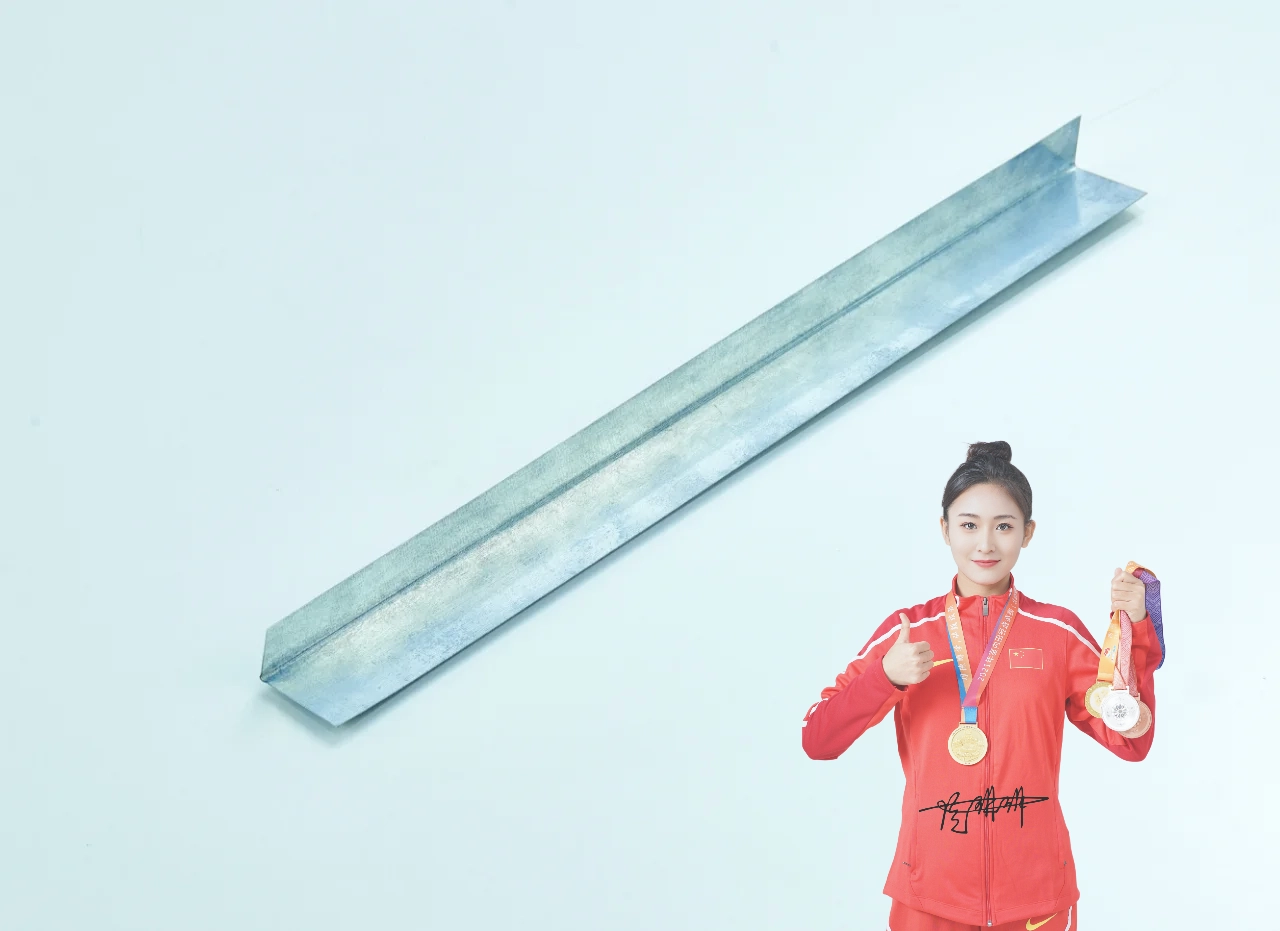
Understanding the Role of Metal Corner for Drywall in Modern Construction
At first glance, metal corners for drywall might seem like a tiny detail tucked away in the busy world of construction—but actually, they’re pivotal. These unassuming elements allow walls to achieve that seamless edge, while also lasting decades under daily wear and tear. Globally, as urban infrastructure booms and building safety standards climb, grasping what a metal corner for drywall does (and why it matters) benefits not only contractors but architects, facility managers, and even humanitarian builders who need reliable, quick, and cost-effective structures.
Why Does Metal Corner for Drywall Matter on a Global Scale?
Construction is one of the largest global industries. According to World Bank data, construction output represents about 6% of global GDP and employs hundreds of millions of people. In this massive context, even niche components like metal corners for drywall play a huge role in overall building quality and safety.
Many challenges surround drywall installations worldwide: cracking, vulnerable corners, and long-term degradation from moisture or impact. Metal corner trims help solve these. They enforce structural edges and provide a clean aesthetic finish. Plus, metal is recyclable—meaning these corners also tie into broader environmental goals like ISO 14001 environmental standards. When buildings must stand up to earthquakes or heavy usage (think schools, hospitals, refugee shelters), the right metal corner shines through as a small but mighty solution.
Mini Takeaway: Metal corners are more than just edge protectors—they’re integral to sustainable, resilient construction worldwide.
What Exactly Is a Metal Corner for Drywall?
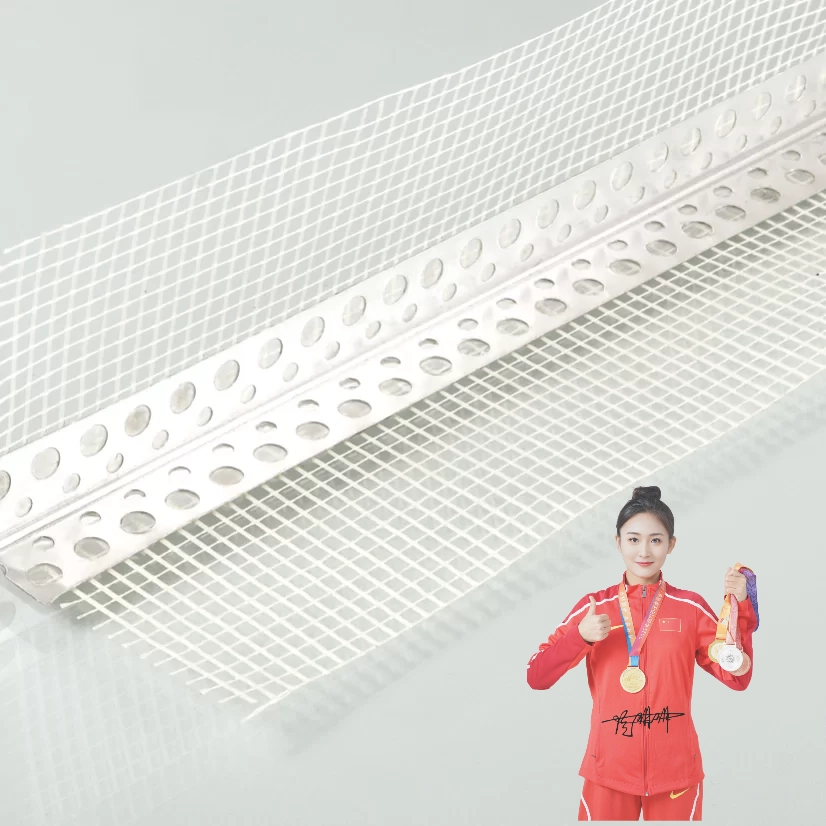
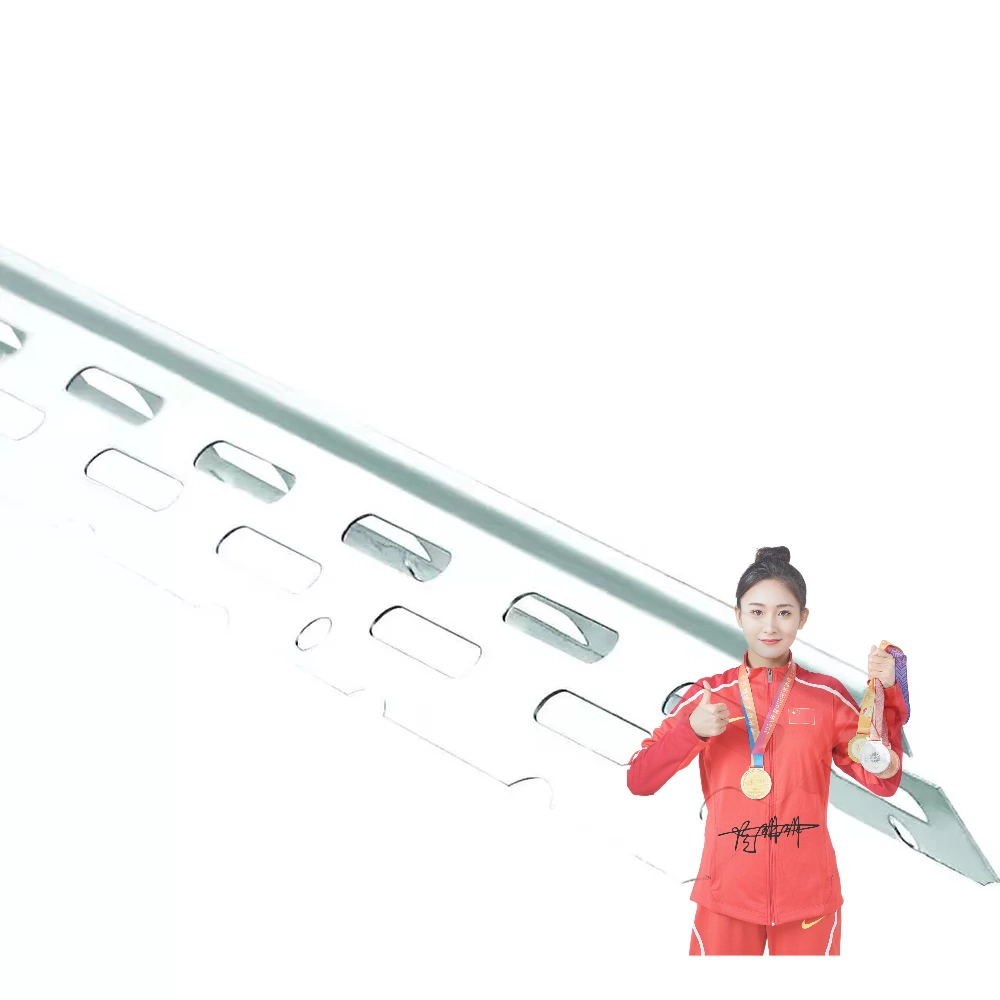
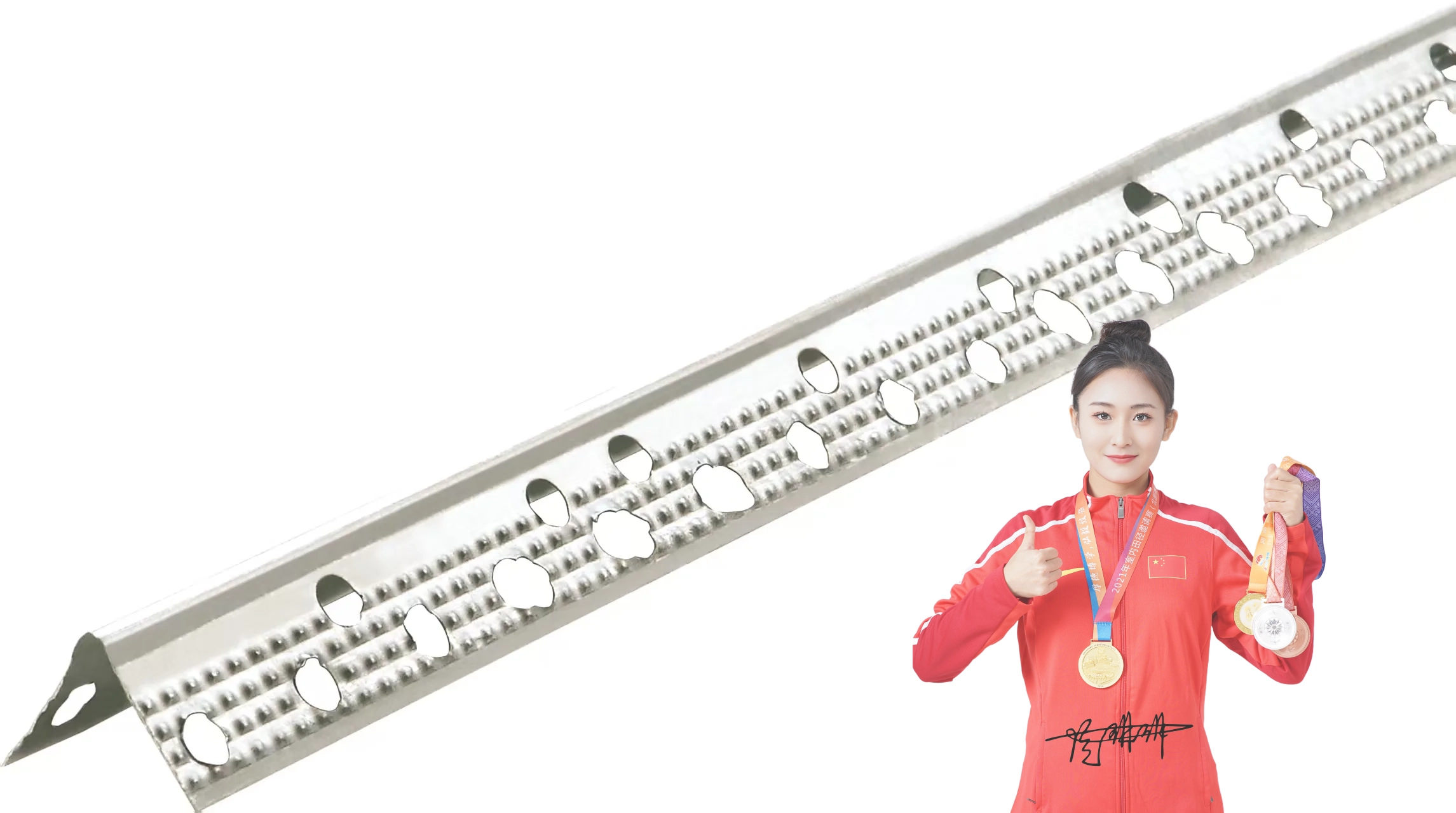
Put simply, a metal corner for drywall is a trim piece, usually made of galvanized steel or aluminum, that fits onto the external corners of drywall panel installations. It ensures crisp, precise wall joints while reinforcing corners from dents, impacts, and crumbling, which drywall alone can’t resist.
These corners come in various profiles—some perforated for mudding into joint compound, others with pre-applied vinyl coatings for enhanced durability or aesthetic preferences. The modern construction industry, and even emergency housing setups, rely on these for rapid builds that still maintain code quality and occupant safety.
Key Factors to Consider About Metal Corners for Drywall
1. Durability
Metal corners add toughness, especially in busy commercial spaces or high traffic residential areas. Galvanized steel resists rusting, and coatings prevent corrosion. This longevity reduces long-term repair costs.
2. Cost Efficiency
They’re cheap relative to the value they provide. By protecting drywall edges, they reduce expensive patch jobs and repainting cycles, saving money over the building’s lifecycle.
3. Ease of Installation
Versatile profiles mean installers can quickly affix them using staples, nails, or adhesive compounds, speeding project timelines. Especially with corner beads designed for mudding, finishing is smoother.
4. Aesthetic Finish
Sharp, clean corners make interiors look polished and professional. Different coating color options help coordinate with wall colors or design themes.
5. Sustainability
Made mostly from recycled metal and fully recyclable, these trims support greener building practices. They align with global pushes toward circular construction economies.
Technical Specs: Typical Metal Corner for Drywall
| Specification |
Typical Value |
Notes |
| Material |
Galvanized steel / Aluminum |
Corrosion resistant |
| Length |
8 ft (244 cm) standard |
Various lengths available |
| Profile |
Bullnose or square edge |
Affects visual finish |
| Weight |
~50-70 g/ft (varies with gauge) |
Lightweight, easy to handle |
| Finish |
Vinyl-coated / Galvanized |
Enhances durability and appearance |
Global Applications & Use Cases
Metal corners for drywall are fundamental in a surprising variety of environments:
- Commercial Buildings: Office complexes and hotels use metal corners to maintain crisp interiors that endure daily impacts and cleaning.
- Residential Housing: From affordable housing projects to high-end homes, these corners add to overall durability and finish.
- Emergency & Disaster Relief: Organizations like the Red Cross use prefabricated walls with metal corners to quickly erect safe, dignified shelters post-disaster.
- Industrial Zones: Factories and warehouses benefit where walls face heavy equipment or forklift traffic.
- Educational Facilities: Schools undergo heavy usage, making metal corner trims a practical choice to reduce maintenance.
A personal note: I once visited a shelter rebuild in Southeast Asia where teams praised the metal corner’s role in reducing rework, enabling faster, stronger housing solutions for displaced families.
Vendor Comparison Table: Leading Metal Corner for Drywall Providers
| Vendor |
Material Options |
Custom Lengths |
Special Coatings |
Typical Industries Served |
| CornerPro Metals |
Galvanized Steel, Aluminum |
Yes (up to 12 ft) |
Vinyl & Powder Coats |
Commercial, Residential |
| SteelEdge Solutions |
Hot-Dip Galvanized Steel |
Standard Lengths Only |
Standard Galvanization |
Industrial, Emergency Shelters |
| VinylTrim Co. |
Aluminum with Vinyl Coating |
Yes (Variable) |
Multiple Colors & Textures |
Residential, Hospitality |
Advantages & Long-Term Value
So, why invest in metal corner trims? The upside is not just technical but also social:
- Resilience & Safety: They protect walls from cracks that could harbor mold or weaken structures—critical in humid climates.
- Lower Maintenance: Over years, fewer repairs and repainting cycles mean lower lifetime costs.
- Environmental Harmony: Using recyclable metals aligns with sustainable construction goals, preserving resources.
- Psychological Comfort: Smooth, intact walls signal care and quality, affecting how occupants feel about a space.
Emerging Trends & Innovations in Metal Corner for Drywall Technology
Construction materials technology is evolving fast. Oddly enough, even these modest corner trims are seeing innovation:
- Smart Coatings: Anti-bacterial or self-cleaning surfaces are entering the scene, enhancing durability in public spaces.
- Lightweight Alloys: New aluminum alloys reduce weight without sacrificing strength, simplifying shipping and handling.
- Digital Fabrication: Automation is enabling customized corner profiles tailored to specific design specs faster than ever.
- Green Building Certifications: Integration of these metal corners into LEED or BREEAM certified buildings is becoming standard practice.
What Challenges Do Metal Corners Face & How Are They Overcome?
Frankly, not all metal corners are created equally—surface corrosion can be an issue in salty coastal environments or where moisture control is poor. However, newer coatings, better galvanization processes, and competitive product testing mitigate this. Installation errors, such as inadequate fastening or poor mudding technique, often cause lasting damage. Hence, many vendors provide training or video tutorials.
Additionally, cost can be a barrier in low-income regions. Local manufacturing and bulk orders have helped reduce prices while maintaining enough quality to improve building safety significantly.
FAQ: Frequently Asked Questions About Metal Corner for Drywall
- Q: How do metal corner trims improve drywall durability?
A: They reinforce vulnerable edges that would otherwise chip or crack, extending wall life by preventing damage caused by impact or moisture infiltration.
- Q: Can metal corners be installed on curved walls?
A: Traditional profiles suit straight corners, but flexible metal corner beads are available for mild curves, enabling consistent protection and finish.
- Q: Are metal corner trims compatible with all drywall types?
A: Yes, they work universally with standard drywall, moisture-resistant drywall, and fire-rated boards, as long as proper installation techniques are followed.
- Q: How do I maintain metal corner trims over time?
A: Routine cleaning and inspection suffice; if minor damage occurs, it should be repaired quickly to avoid corrosion or wall issues.
- Q: Where can I find reliable suppliers for metal corner for drywall?
A: Besides local hardware stores, companies like those listed above offer wide selections. For bulk or custom orders, check specialist manufacturers or online platforms.
For expanded product options and expert advice, be sure to visit our website: metal corner for drywall.
Conclusion
Though it may seem a small part of a large building puzzle, the metal corner for drywall holds significant influence over structural durability, aesthetic finesse, and sustainability in buildings worldwide. Whether you’re managing a high-traffic commercial renovation or a humanitarian shelter build, investing in quality corner trims pays off in safety, savings, and satisfaction. Don’t overlook how this little detail can transform your project from fragile to formidable.
Thanks for reading—feel free to explore more on the topic and join the conversation about innovations in drywall finishing!
— End of article —
Even the smallest detail in construction, like a metal corner, can ripple out into huge benefits. It’s a lesson in precision and care we often forget.
References
- World Bank Urban Development Data
- ISO 14001 Environmental Management
- Wikipedia: Drywall