Attaching Drywall Corner Bead: Tips from the Industrial Trenches
Having been around industrial equipment and construction materials for over a decade, I’ve noticed that attaching drywall corner bead is one of those deceptively simple tasks that can make or break a finish job. You'd think it’s straightforward—hammer in some nails or stick on a strip—but honestly, there’s an art and science to it. The right bead, the right method, and the right materials can save you hours, plus headaches down the road.
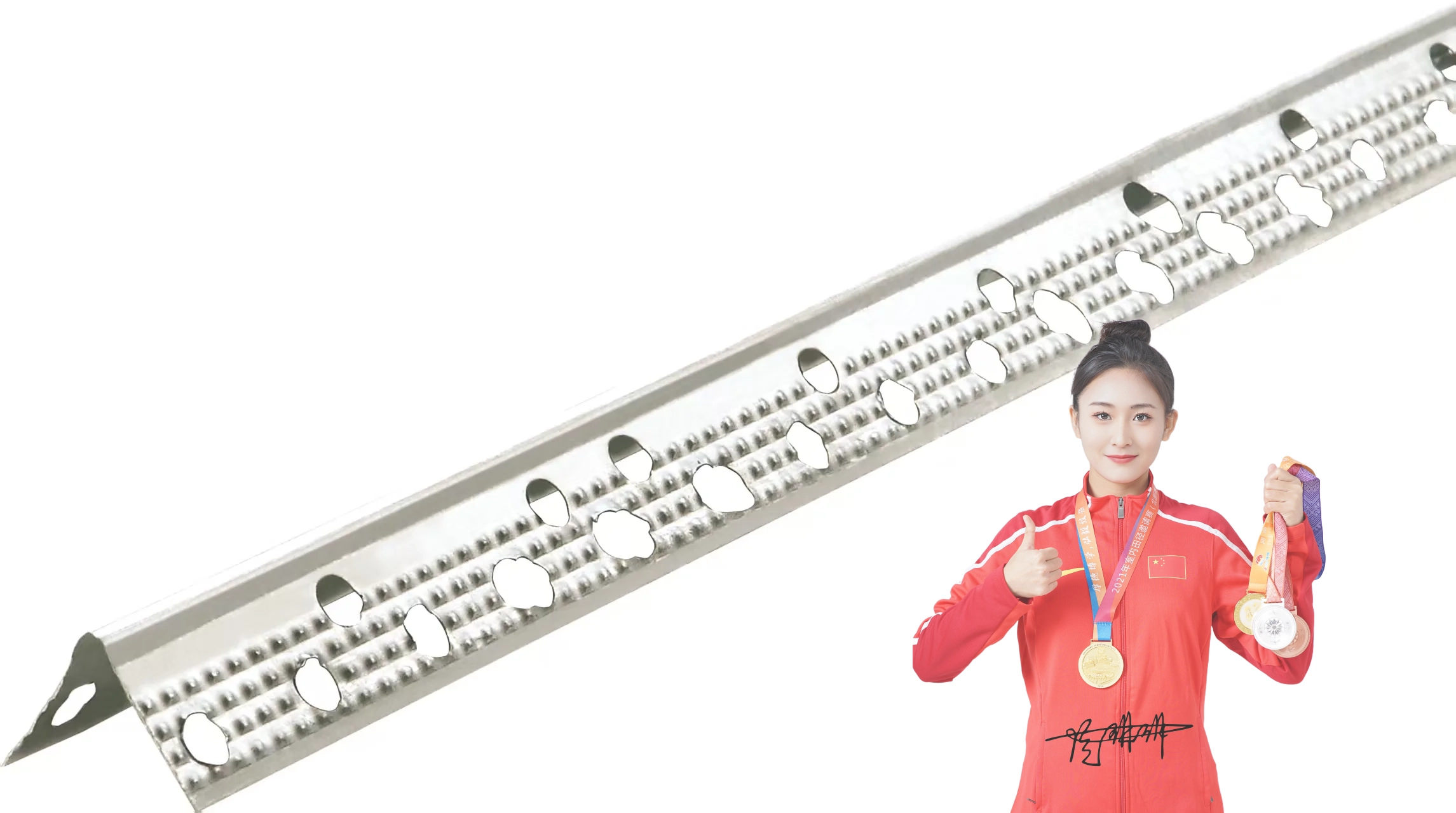
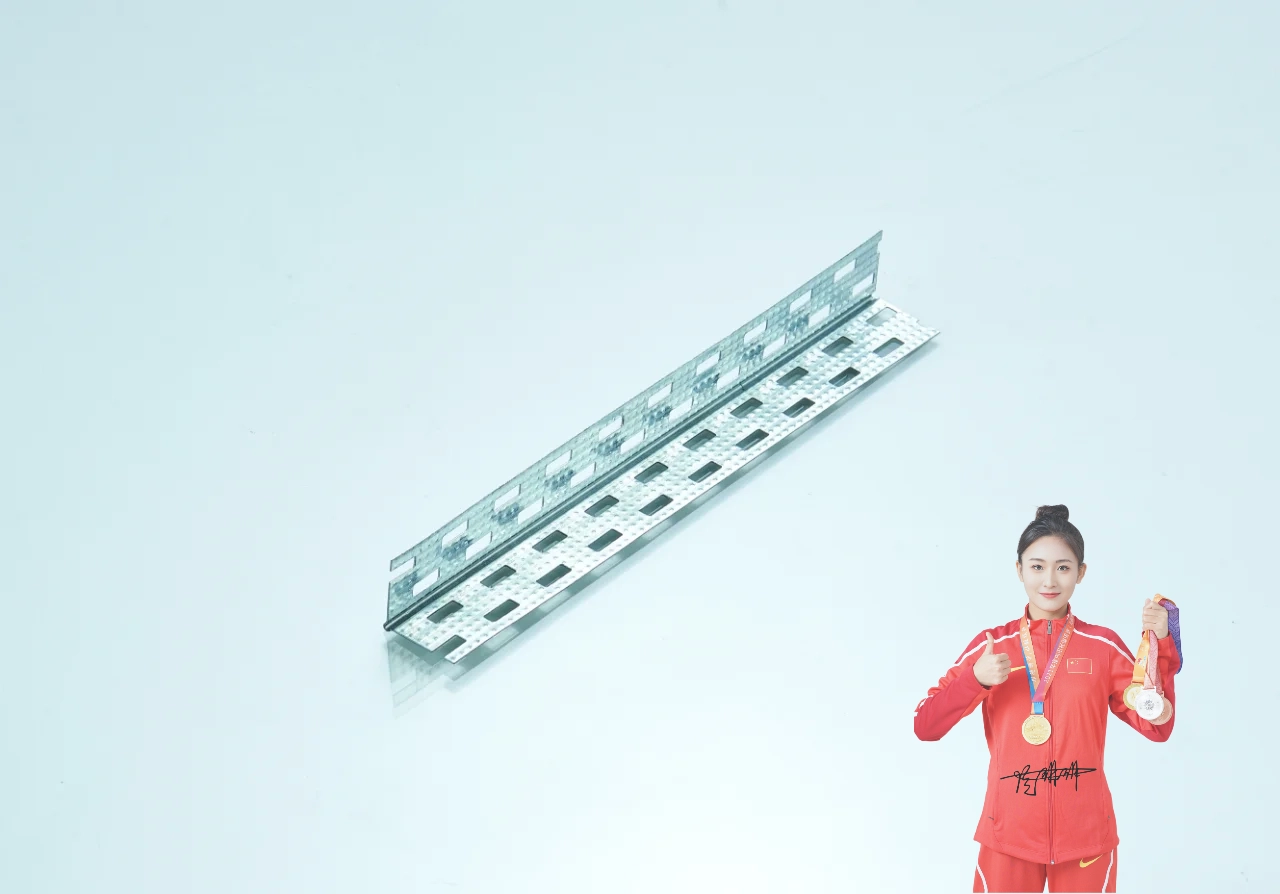
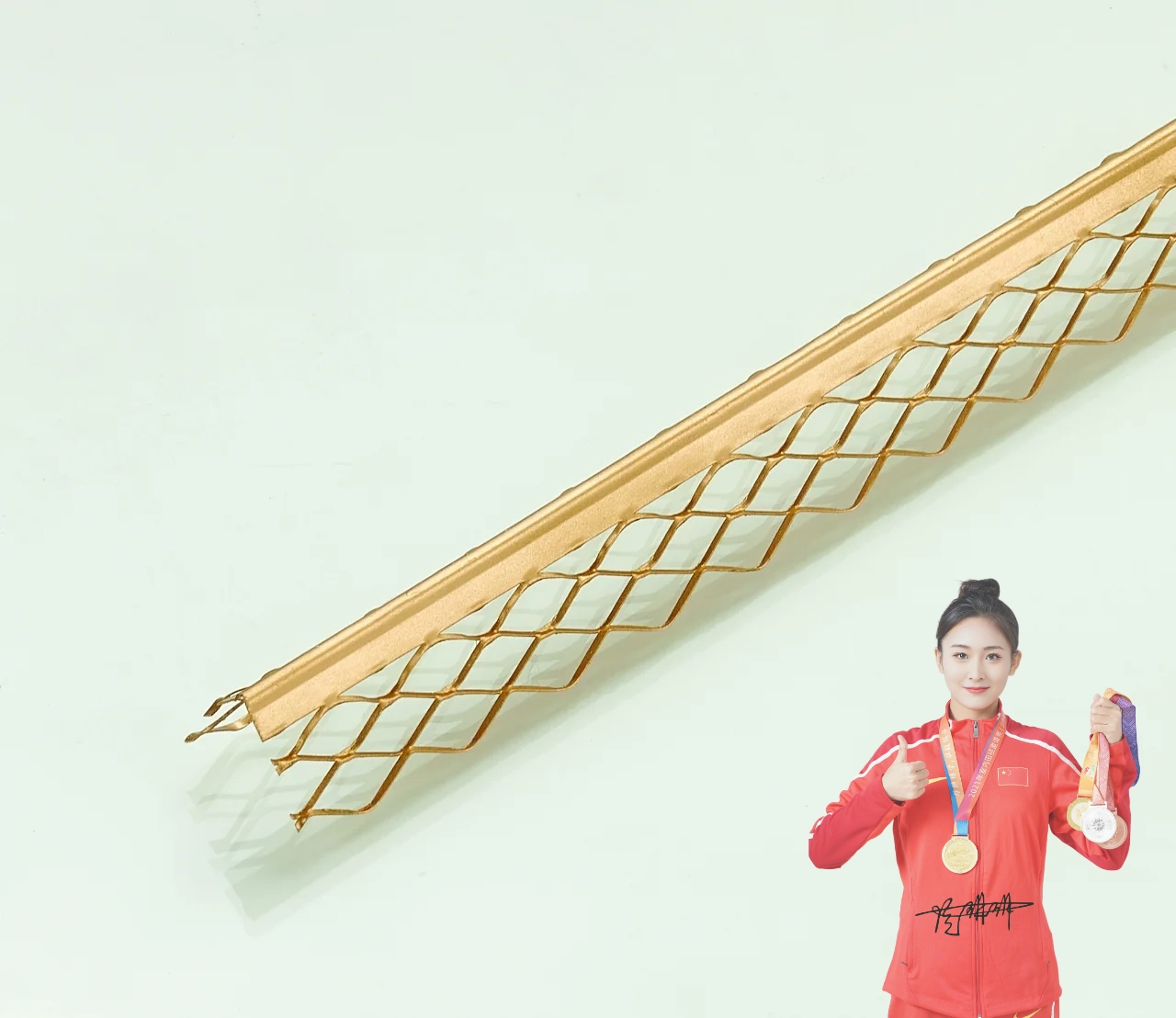
Oddly enough, a corner bead isn’t just about aesthetics. It’s about durability and protection. Corners get bumped, scraped, and sometimes outright smashed in busy environments like warehouses, hospitals, or high-traffic office buildings. The type of corner bead you choose really matters—metal, vinyl, or paper-faced each has distinct advantages depending on the project specs and exposure levels.
From my experience working with installation crews, the metal corner bead often gets the nod for heavy-duty tasks due to its robustness. But it’s not always the easiest to work with—cutting requires tin snips, and it’s less forgiving if you’re new on the job. Lately, though, I’ve seen more guys switch to vinyl beads that combine flexibility with decent impact resistance. The finish quality? A bit smoother, less chance of cracking, especially when paired with the right drywall compound.
I suppose the choice also depends on the fastening method. You can attach bead with nails, screws, or adhesives, and sometimes a combination of all three. One neat trick I learned was using a lighter gauge bead for curves and tight spaces, then anchoring with spray adhesive before nailing. It feels sturdier, and the finishing phase is cleaner. I imagine vendors studied this because you often see corner beads customized for different fastening preferences or environments.
Speaking of vendors, testing and certifications are a big deal. You want beads that comply with ASTM standards to ensure strength, fire resistance, and mold prevention. I’ve collected some typical specs from leading manufacturers, just to give a feel for what’s out there in case you’re comparing or spec’ing your next project.
| Product Feature | Details |
|---|
| Material | Galvanized Steel / Vinyl / Paper-faced |
| Length | 8 ft standard, custom lengths available |
| Finish | Smooth, pre-primed (some models) |
| Fastening Options | Nails, screws, adhesive, or combined |
| Compliance | ASTM C1047, fire and mold resistance standards |
Now, let's talk vendors. You might think “one corner bead is pretty much the same as another,” but in real terms, there are subtle differences that seasoned professionals notice immediately. Some brands nail it with durability, others with ease of installation or price point—none are perfect, but some fit certain needs better. Here’s a quick comparison I put together based on years of feedback from field teams and my own eyeballing on job sites.
| Vendor | Material Quality | Installation Ease | Price | Special Features |
|---|
| CornerBeadPro | High - galvanized steel | Moderate - requires tin snips | $$$ | Pre-primed, corrosion-resistant coating |
| FlexiCorner | Medium - vinyl composite | High - flexible, easy to cut | $$ | Suitable for curved surfaces |
| EasyEdge | Standard - paper-faced metal | High - lightweight and nail-friendly | $ | Eco-friendly paper coating |
An anecdote: I remember one project where the team insisted on vinyl corner beads after a previous install using metal led to a few bent corners during transportation. The switch cut down repair time and the customer noticed the smoother finish immediately. Small changes like this matter a lot in industrial and commercial projects where deadlines are tight and durability is non-negotiable.
For all the years I worked around this stuff, I rarely saw “one-size-fits-all” hold true. And frankly, that’s part of why I enjoy digging into these products. It’s a bit of engineering meets craft, plus a dash of materials science.
So, next time you grab that drywall corner bead, think about the use case, the environment, and how you’re fastening it. Don’t overlook the tiny details—they add up, and in the construction world, that’s what separates a hack job from a solid build.
Quick takeaway: The “best” corner bead depends on your project’s demands — balance material, fastening, and finish quality carefully.
ASTM International, ASTM C1047 Standard Specification for Accessories for Gypsum Wallboard.
Construction Industry Institute reports on drywall finishing efficiency, 2020.
Vendor specs and user feedback collected 2018–2023.