Understanding Angle Beading Plastic: A Versatile Solution in Modern Construction
The term angle beading plastic might sound like jargon to many, but it’s actually a core component in the building and finishing world. These flexible yet sturdy strips add protection, style, and longevity to corners and edges—critical spots prone to damage or wear. Globally, industries from construction to humanitarian relief leverage angle beading plastics to ensure safer, cleaner, and more efficient projects. So why does this matter beyond the construction site? Well, consider that the World Bank estimates over 60% of global infrastructure requires enhanced durability against climate and human factors. Angle beading plastic plays a small yet vital role in that durability puzzle.
Introduction: Global and Industry Context
Oddly enough, the global construction sector is one of the largest consumers of plastic-based components. Responsible for nearly 6% of global carbon emissions (according to the International Energy Agency), the sector is motivated to find materials that combine resilience with sustainability. Angle beading plastic addresses this by offering lightweight, corrosion-resistant protection that outperforms traditional metal or gypsum options in certain contexts. From sprawling Asian metropolitan projects to fast-deploy shelters in Africa, these plastics are quietly shaping building practices worldwide.
However, the challenge remains: how to maximize utility while minimizing environmental impact? That’s where innovation in materials and deployment techniques comes in, which we’ll touch on later.
What Is Angle Beading Plastic?
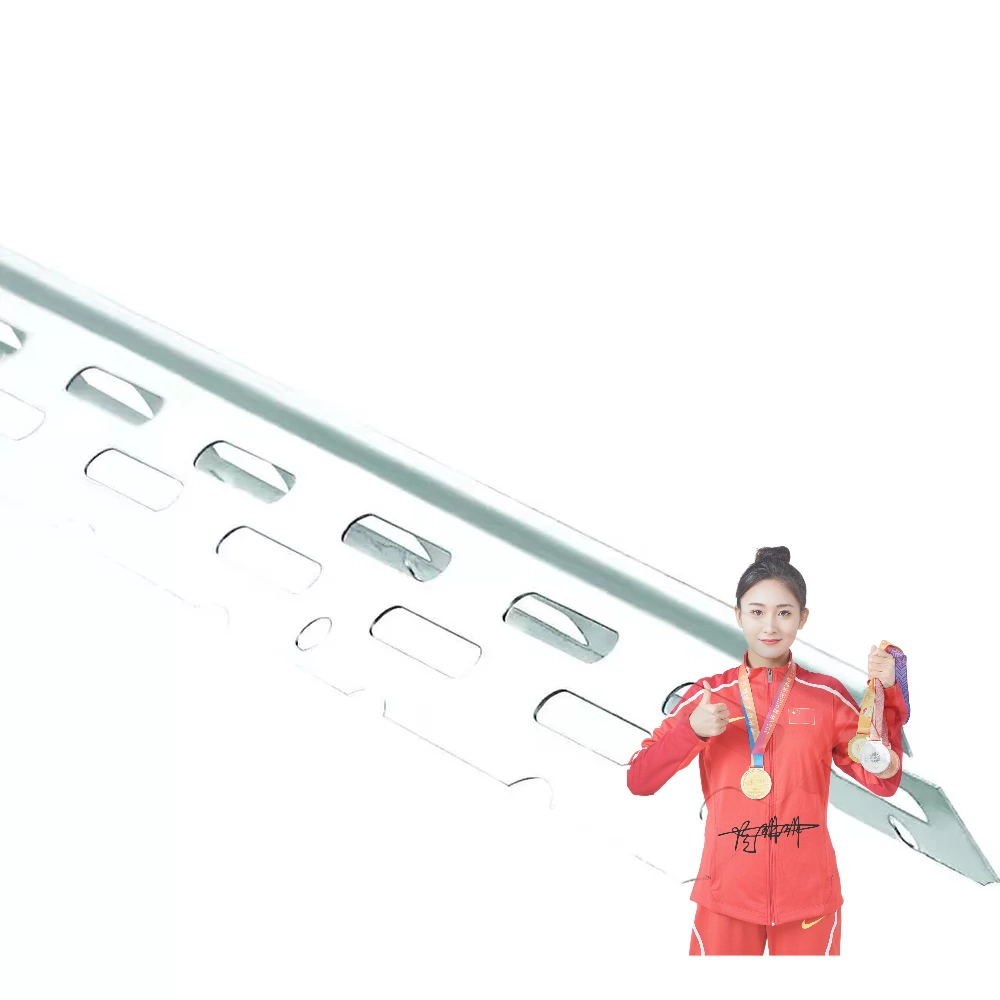
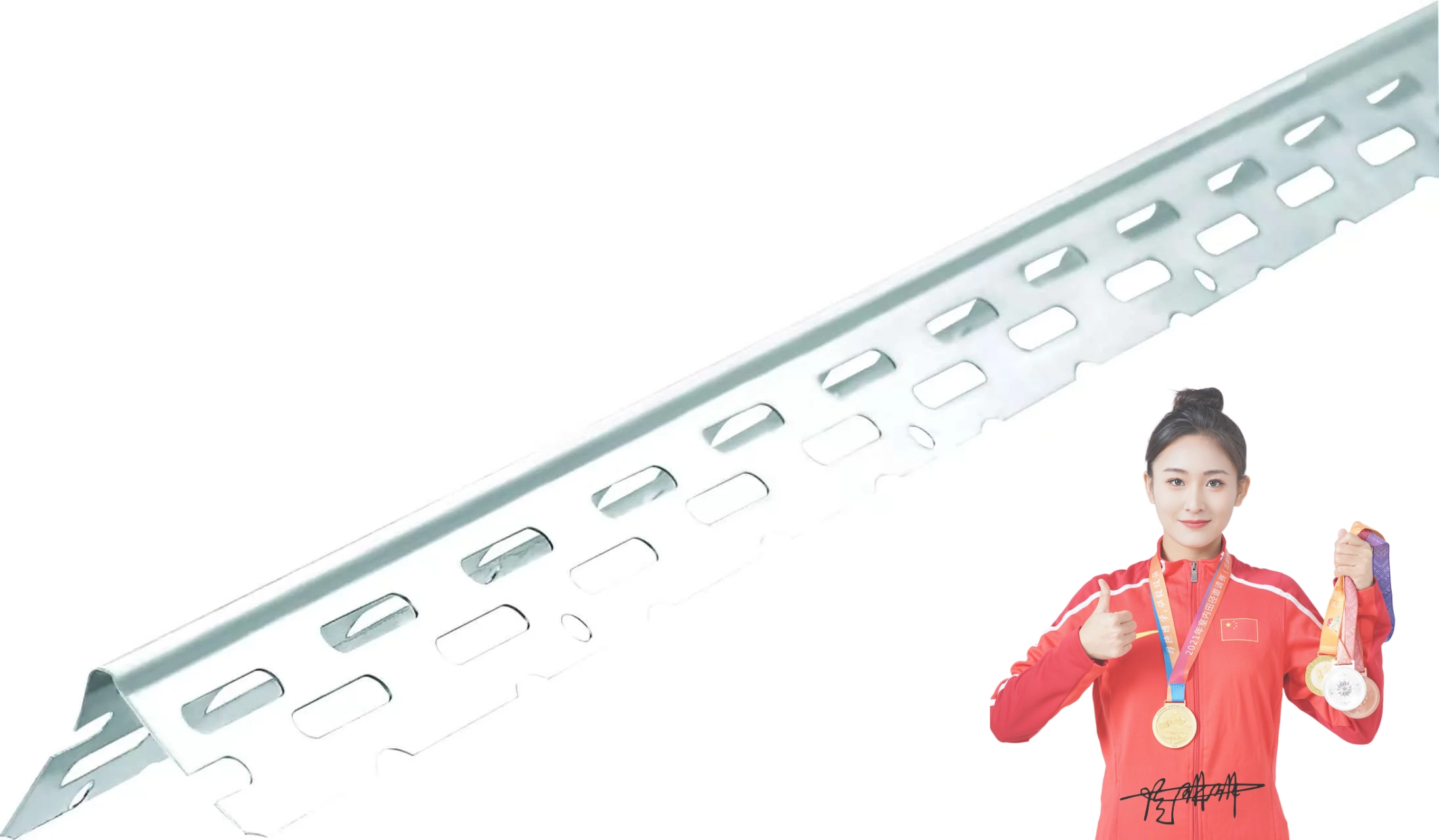
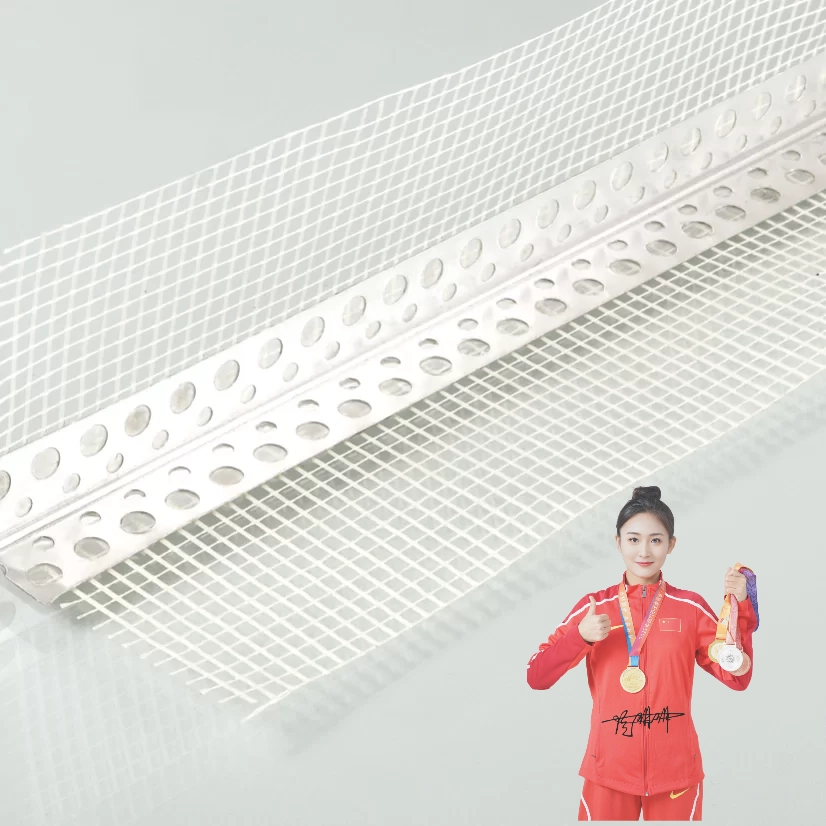
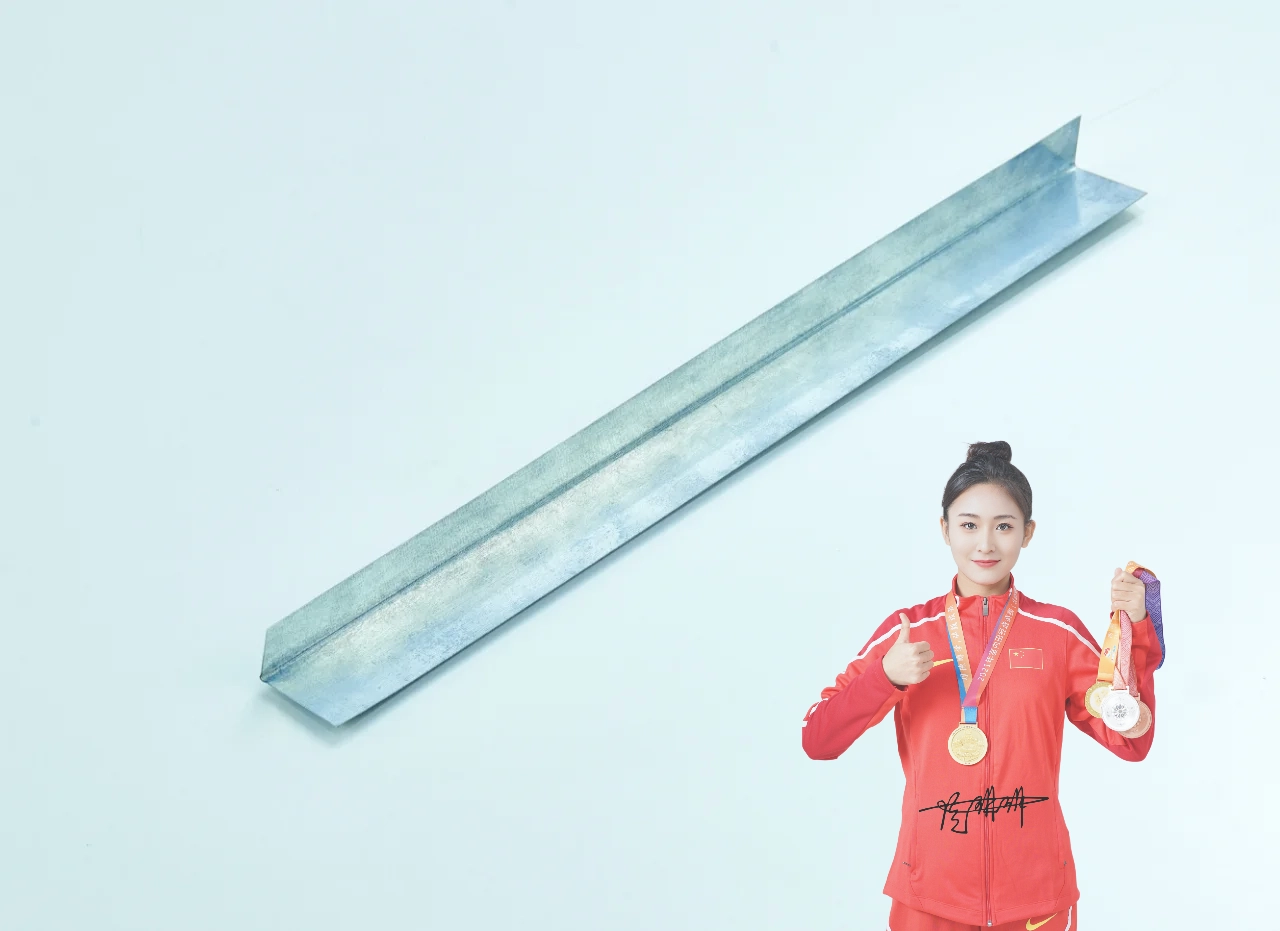
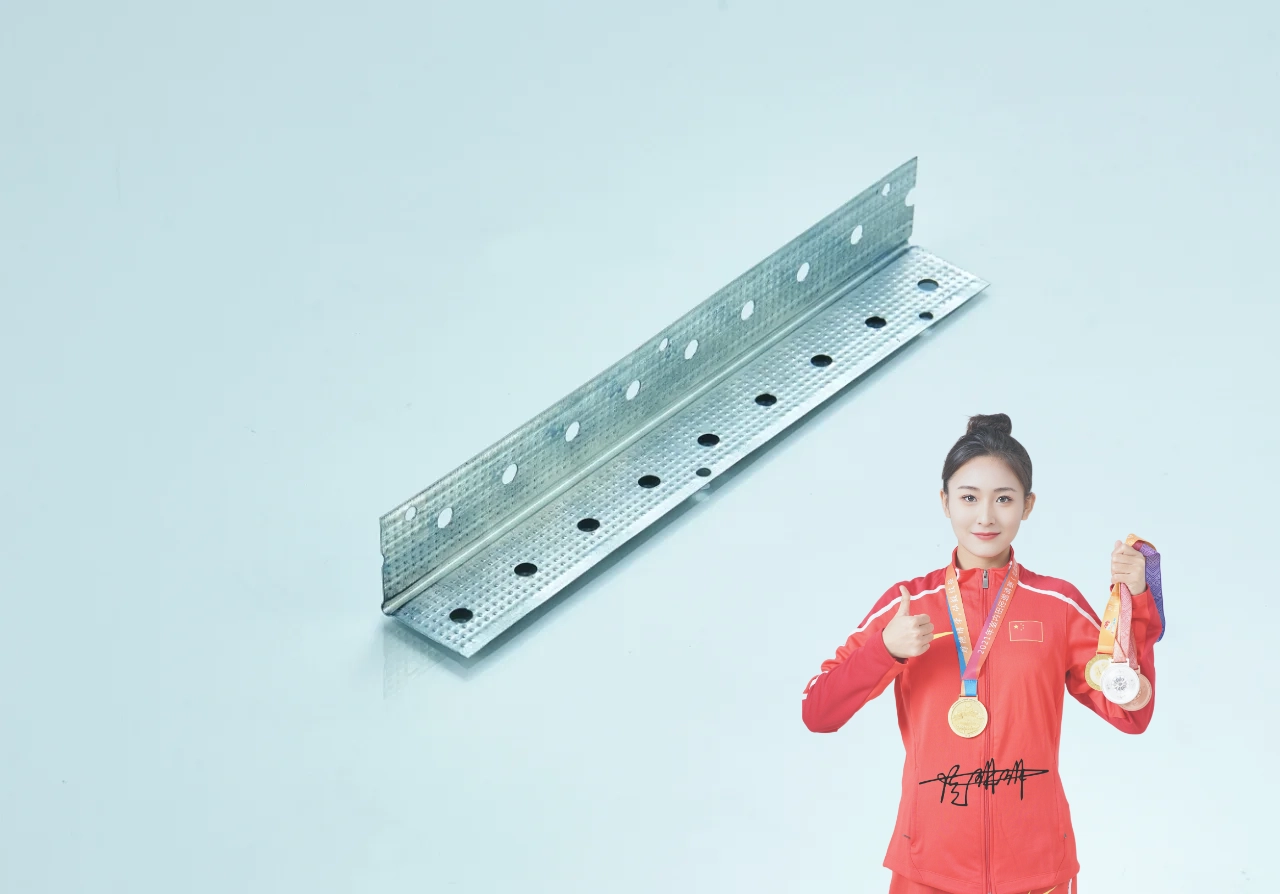
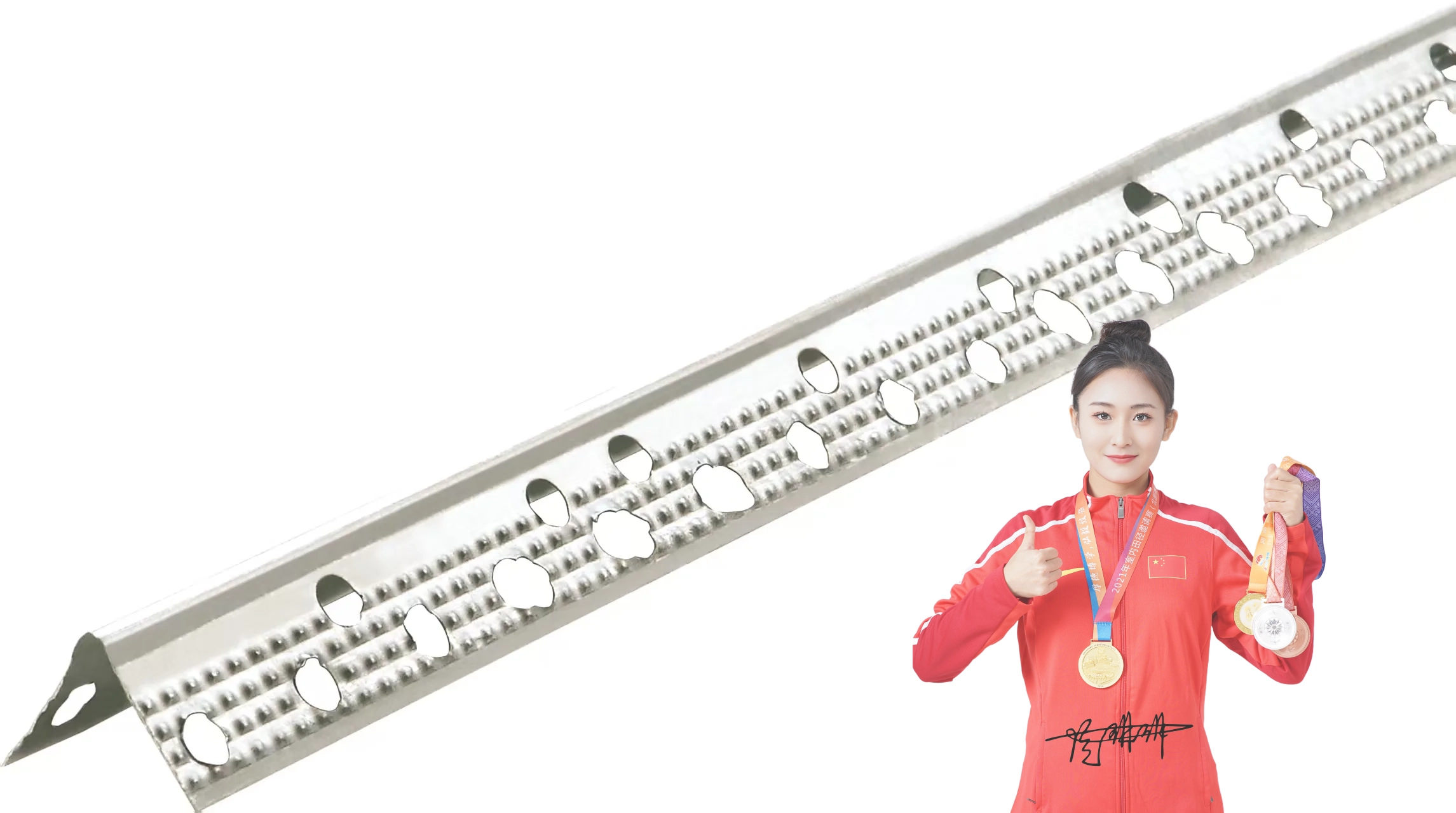
Simply put, an angle beading plastic strip is a molding component designed to cover and reinforce the outer edges of walls, ceilings, or other structures—typically at 90-degree corners. Made of durable polymers like PVC or polypropylene, these beads serve as a finishing trim that protects against chipping, moisture penetration, and physical impact. You’ll often find them installed before plaster or paint applications to guarantee a crisp, lasting edge.
In both modern construction and emergency housing setups, angle beading plastics help meet strict finishing standards quickly and affordably, lowering labor and maintenance costs.
Core Components & Key Aspects of Angle Beading Plastic
Durability: Resistant to moisture, chemicals, and weathering, making it perfect for coastal or humid environments.
Flexibility: The plastic material allows minor bending, ideal for slightly uneven or curved surfaces.
Lightweight: Easier to transport and handle on-site compared to metal alternatives.
Installation Ease: Usually features pre-punched holes or adhesive backing to speed up fitting processes.
Cost Efficiency: Lasts longer with less maintenance, reducing total lifecycle expenses.
Environmental Considerations: Many manufacturers now recycle production offcuts and use recyclable plastics.
Mini takeaway: Angle beading plastic offers a clever balance of physical protection, ease of use, and sustainable material advantages—key factors for users worldwide.
Product Specs: Typical Angle Beading Plastic
| Feature | Specification |
|---|
| Material | UV Stabilized PVC |
| Length per piece | 2.5 meters |
| Thickness | 1.2 mm |
| Color options | White, Grey, Almond |
| Edge profile | L-shaped angle (90°) |
| Fire rating | Class B1 (flame retardant) |
| Installation method | Nail/screw or adhesive |
Global Applications & Use Cases
At first glance, you might not realize how often angle beading plastics support crucial infrastructure. In post-disaster relief, for example, rapid deployment modular shelters utilize these trims to ensure robust edges that resist wind and water damage. In Asia, expanding urban construction frequently depends on plastic beadings to save time and reduce labor costs amid busy schedules. Meanwhile, remote industrial zones in Australia favor plastic angle beads because they withstand harsh environmental exposures better than metal alternatives.
Refurbishment projects: Affordable, easy replacement trims for old buildings.
Modular construction: Standardized fittings that speed up assembly lines.
Healthcare facilities: Hygienic surfaces where plastic resists corrosion and mold.
Educational campuses: Safe, durable edges designed for high traffic.
So, when you think about it, these small strips have a huge impact on durability, safety, and maintenance in various places worldwide.
Mini takeaway: Angle beading plastic proves globally versatile, from emergency housing to everyday institutional buildings.
Vendor Comparison: Popular Angle Beading Plastic Providers
| Vendor | Material Quality | Price per roll | Lead Time | Customization Options |
|---|
| PlastiTrim Co. | High UV resistance | $45 | 2 weeks | Color & length |
| EdgePerfect | Standard PVC | $38 | 1 week | Texture finish |
| CornerSafe Plastics | Flame retardant | $50 | 3 weeks | Custom profiles |
Advantages & Long-Term Value
What stands out about using angle beading plastic are the clear, practical benefits. For one, it lowers cost not only upfront but through reduced maintenance. Unlike metal, it won’t rust; unlike bare drywall corners, it resists dents and chips. Frankly, it’s a win-win for safety too — clean edges reduce injury risks in busy schools or hospitals.
Emotionally, there’s also something reassuring about a neat, finished corner. It speaks of craftsmanship and pride. Socially, the material’s adaptability allows builders to deploy resilient shelter systems quickly in crisis zones, preserving dignity and security for vulnerable populations.
Future Trends & Innovations
Looking ahead, the world of angle beading plastics is buzzing with exciting advancements. Many companies invest in bio-based polymers, aiming to reduce fossil fuel dependence. Digital transformation tools, like 3D scanning and printing, enable bespoke angle bead designs that perfectly fit complex architectural details. We’re also seeing automation in manufacturing that cuts waste and boosts precision — aligning with ISO 14001 environmental standards.
Importantly, regulatory trends favor materials with improved fire safety profiles and recyclability. Green certifications and circular economy principles are pushing suppliers to rethink plastic usage sensibly.
Challenges & Solutions
Of course, nothing’s perfect. Common challenges include plastic waste and the perception of synthetic materials as “less durable.” Some users report UV fading over long exposures, although stabilizers mitigate this significantly. A current innovation to address these is using recycled post-consumer plastics coupled with higher-performance coatings.
Installation may sometimes require skilled labor to achieve ideal finish quality, but growing educational resources and modular designs help close these gaps.
FAQ: Frequently Asked Questions About Angle Beading Plastic
- What is the typical lifespan of angle beading plastic in exterior use?
- Generally, high-quality angle beading plastic will last 15-25 years outdoors if properly installed and UV treated, with minimal maintenance.
- Can angle beading plastic be painted?
- Yes. Most PVC-based beads accept acrylic or latex paint, allowing customization to match walls, but it’s best to use recommended primers for adhesion.
- Is it environmentally friendly compared to metal beadings?
- While plastic production has environmental impacts, many angle beading plastics now use recycled materials and are recyclable themselves, providing a lower carbon footprint than metals that require high-energy extraction and processing.
- How quickly can angle beading plastic be installed onsite?
- Installation is typically straightforward and faster than metal since the beads are lightweight and may have adhesive backing or pre-punched holes for screws, enabling a single worker to fit multiple meters per hour.
- Where can I source durable angle beading plastic?
- Leading suppliers offer standard and customized sizes globally; for more details, you can check solutions like angle beading plastic from reputable manufacturers.
Conclusion
Long story short, angle beading plastic is a deceptively simple but globally impactful material, balancing durability, sustainability, and cost-effectiveness. Whether you’re involved in large-scale construction, emergency housing, or renovation, it’s a reliable component to keep in mind. Curious to explore which specific product fits your project? Do take a look at angle beading plastic options online — it’s a good starting point to match quality with your budget and needs.
At the end of the day, it’s impressive how a small piece of plastic can hold such great value in building safer, stronger, and more sustainable environments worldwide.
World Bank Infrastructure Overview
IEA Report on Building Materials
PVC - Wikipedia